New quantum-computing advances heighten threat to elliptic curve cryptosystems
No, the sky isn't falling, but Q Day is coming, and it won't be as expensive as thought.
Building a utility-scale quantum computer that can crack one of the most vital cryptosystems—elliptic curves—doesn’t require nearly the resources anticipated just a year or two ago, two independently written whitepapers have concluded. In one, researchers demonstrated the use of neutral atoms as reconfigurable qubits that have free access to each other. They went on to show this approach could allow a quantum computer to break 256-bit elliptic curve cryptography (ECC) in 10 days while using 100 times less overhead than previously estimated. In a second paper, Google researchers demonstrated how to break ECC-securing blockchains for Bitcoin and other cryptocurrencies in less than 9 minutes while achieving a 20-fold resource reduction. Taken together, the papers are the latest sign that cryptographically relevant quantum computing (CRQC) at utility-scale is making meaningful progress. The advances are largely being driven by new quantum architectures developed by physicists and computer scientists in a push to create quantum computers that operate correctly even in the presence of errors that occur whenever qubits—the quantum analog to classical computing bits—interact with their environment. The other key drivers are ever-more efficient algorithms to supercharge Shor’s algorithm, the 1994 series of equations proving that quantum computing could break the ECC and RSA cryptosystems in polynomial time, specifically cubic time, far faster than the exponential time provided by today’s classical computers. Neither paper has been peer-reviewed.Read full article Comments
Related tags
Companies and people
Story threads
Continue with this story
Follow the same topic through connected articles, entity pages, and active story threads.

You can finally change the goofy Gmail address you chose years ago
All your data remains intact, and you can go back to your original address at any time.

This is my third Orion launch, but it feels totally different
The first two launches of Orion felt hollow, but NASA is finally on a better course.
Costco sued for seeking refunds on tariffs customers paid
Proposed class action accuses Costco of unjust enrichment.
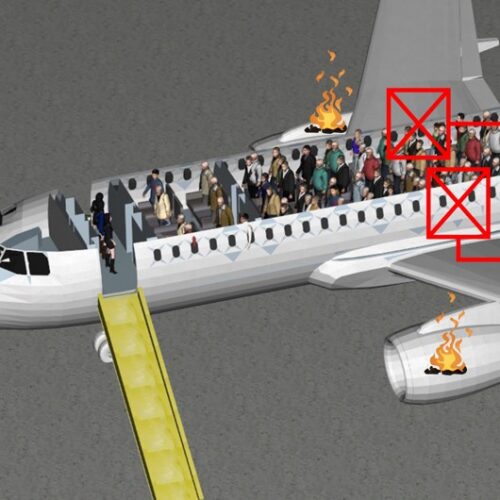
What's the best cabin layout for aircraft evacuation?
The key is to evenly distribute elderly passengers, who move more slowly, among the aircraft cabins.
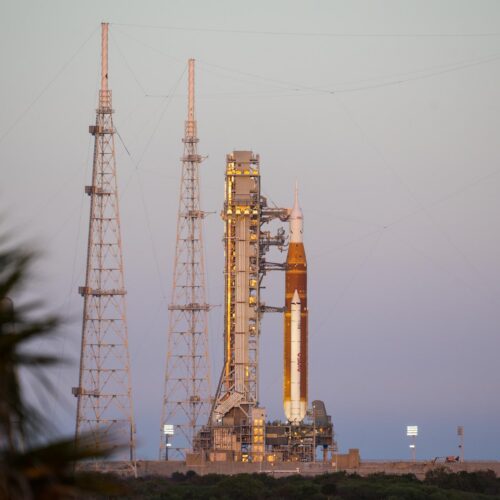
After more than 53 years, humans may finally return to the Moon this week
"Things are certainly starting to feel real here at the Cape."
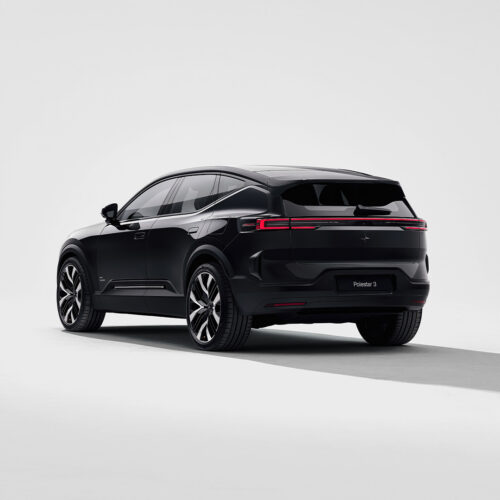
No more Chinese Polestar 3s as production shifts entirely to the US
Building the big electric SUV at two sites doesn't make sense anymore.
Ad slot
Article inline monetization block
A reserved partner slot for relevant tools, services, and contextual editorial integrations.
Related articles
More stories that share tags, source, or category context.
You can finally change the goofy Gmail address you chose years ago
All your data remains intact, and you can go back to your original address at any time.
This is my third Orion launch, but it feels totally different
The first two launches of Orion felt hollow, but NASA is finally on a better course.
Costco sued for seeking refunds on tariffs customers paid
Proposed class action accuses Costco of unjust enrichment.
More from Ars Technica
Fresh reporting and follow-up coverage from the same newsroom.
You can finally change the goofy Gmail address you chose years ago
All your data remains intact, and you can go back to your original address at any time.
This is my third Orion launch, but it feels totally different
The first two launches of Orion felt hollow, but NASA is finally on a better course.
Costco sued for seeking refunds on tariffs customers paid
Proposed class action accuses Costco of unjust enrichment.
What's the best cabin layout for aircraft evacuation?
The key is to evenly distribute elderly passengers, who move more slowly, among the aircraft cabins.