After more than 53 years, humans may finally return to the Moon this week
"Things are certainly starting to feel real here at the Cape."
Signal weather
Stable
The story has moved beyond the first headline and now acts as a reliable context anchor.
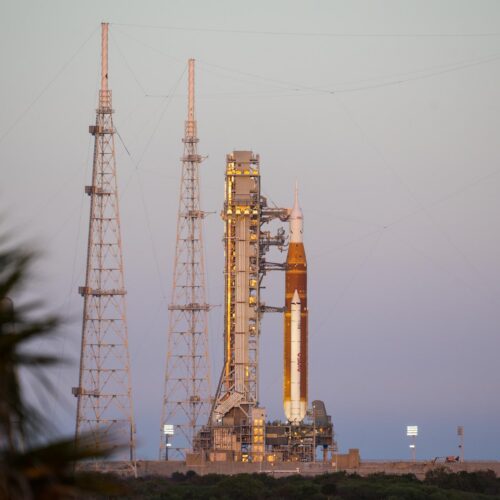
KENNEDY SPACE CENTER, Florida—The two-day countdown for the launch of NASA's Artemis II mission began Monday evening, with clocks timed for the first of six opportunities in early April to send a crew of four astronauts around the far side of the Moon. Liftoff from Launch Complex 39B at Kennedy Space Center in Florida is scheduled for a two-hour launch window opening at 6:24 pm EDT (22:24 UTC) on Wednesday. NASA has backup launch opportunities each day through Monday, April 6, or else the mission will have to wait until the end of the month. Mission managers said Monday that all systems were looking good for launch this week. The weather forecast is favorable, with an 80 percent chance of acceptable conditions for liftoff Wednesday. The only weather concern at the launch site in Florida is a low chance of rain showers and cloud cover that could present a risk of lightning. But with a two-hour launch window, there should be plenty of time to wait out any scattered storms. Read full article Comments
Stay on the signal
Follow After more than 53 years, humans may finally return to the Moon this week
Follow this story beyond a single article: new follow-ups, adjacent sources, and the evolving storyline.
Story map
Understand this topic fast
A quick entry into the story: why it matters now, who is involved, and where to go next for context.
Why it matters now
Topic constellation
Open the live map for this story
See which entities, story threads, sources, and follow-up articles shape this story right now.
Click nodes to continue
Entity pages
Story timeline
Continue with this story
A short sequence of events and follow-up stories to understand the arc quickly.
How reliable this looks
Signal and trust for Ars Technica
This source works at a rapid pace: 100% of recent stories land in the hot window, and 0% carry visible search signal.
Reliability
92
Freshness
100
Sources in storyline
1
Related articles
More stories that share tags, source, or category context.
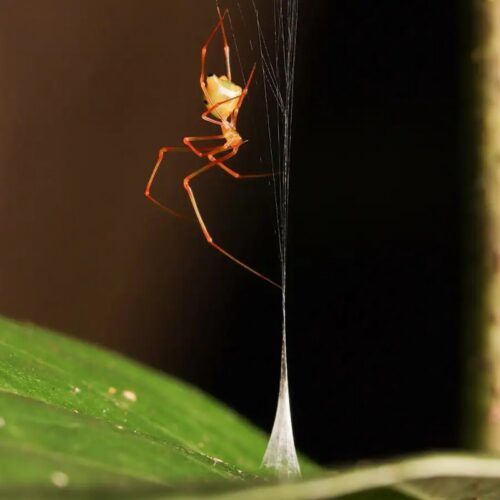
June research roundup: 6 cool science stories we almost missed
Also, the science of poop's distinctive shape, boron buckyballs, and the secret to a soccer feint.
Signal weather
Momentum is building quickly, so this card is a good early entry point into the topic.
Why now
Fresh coverage with immediate momentum.
OpenClaw is finally available on Android and iOS
The free open source agentic program is finally invading your phone.
Signal weather
Momentum is building quickly, so this card is a good early entry point into the topic.
Why now
Fresh coverage with immediate momentum.
Reddit will require you to log in to use old.reddit.com
Logged-out Old Reddit access is “significant source of abusive scraping."
Signal weather
Momentum is building quickly, so this card is a good early entry point into the topic.
Why now
Fresh coverage with immediate momentum.
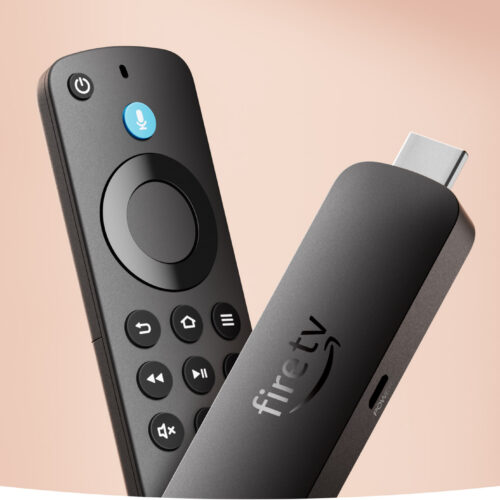
Amazon blames piracy apps with malware for killing new Fire Stick sideloading
New Fire Stick OS helps Amazon block third-party homepage launchers, ad blockers.
Signal weather
Momentum is building quickly, so this card is a good early entry point into the topic.
Why now
Fresh coverage with immediate momentum.
More from Ars Technica
Fresh reporting and follow-up coverage from the same newsroom.
June research roundup: 6 cool science stories we almost missed
Also, the science of poop's distinctive shape, boron buckyballs, and the secret to a soccer feint.
Signal weather
Momentum is building quickly, so this card is a good early entry point into the topic.
Why now
Fresh coverage with immediate momentum.
Reddit will require you to log in to use old.reddit.com
Logged-out Old Reddit access is “significant source of abusive scraping."
Signal weather
Momentum is building quickly, so this card is a good early entry point into the topic.
Why now
Fresh coverage with immediate momentum.
Amazon blames piracy apps with malware for killing new Fire Stick sideloading
New Fire Stick OS helps Amazon block third-party homepage launchers, ad blockers.
Signal weather
Momentum is building quickly, so this card is a good early entry point into the topic.
Why now
Fresh coverage with immediate momentum.
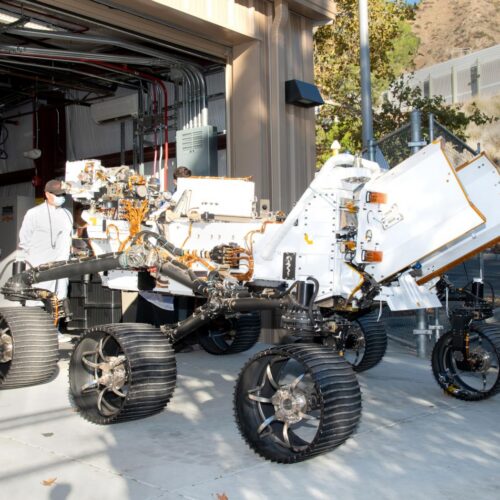
NASA may send a backup, nuclear-powered Mars rover to the Moon
"That would be an awesome capability."
Signal weather
Momentum is building quickly, so this card is a good early entry point into the topic.
Why now
Fresh coverage with immediate momentum.