Electrical current might be the key to a better cup of coffee
University of Oregon scientists repurposed battery-testing tool to better measure coffee's flavor profile
Signal weather
Stable
The story has moved beyond the first headline and now acts as a reliable context anchor.
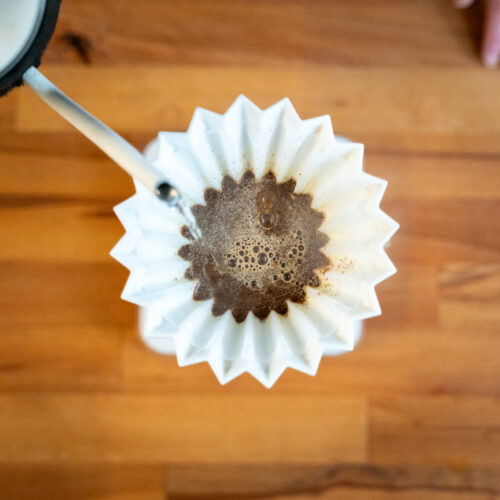
University of Oregon chemist Christopher Hendon loves his coffee—so much so that studying all the factors that go into creating the perfect cuppa constitutes a significant area of research for him. His latest project: discovering a novel means of measuring the flavor profile of coffee simply by sending an electrical current through a sample beverage. The results appear in a new paper published in the journal Nature Communications. We've been following Hendon's work for several years now. For instance, in 2020, Hendon’s lab helped devise a mathematical model for brewing the perfect cup of espresso, over and over, while minimizing waste. The flavors in espresso derive from roughly 2,000 different compounds that are extracted from the coffee grounds during brewing. So it can be challenging for baristas to reproduce the same perfect cup over and over again. That's why Hendon and his colleagues built their model for a more easily measurable property known as the extraction yield (EY): the fraction of coffee that dissolves into the final beverage. That, in turn, depends on controlling water flow and pressure as the liquid percolates through the coffee grounds. The model is based on how lithium ions propagate through a battery’s electrodes, similar to how caffeine molecules dissolve from coffee grounds. Read full article Comments
Stay on the signal
Follow Electrical current might be the key to a better cup of coffee
Follow this story beyond a single article: new follow-ups, adjacent sources, and the evolving storyline.
Story map
Understand this topic fast
A quick entry into the story: why it matters now, who is involved, and where to go next for context.
Why it matters now
Topic constellation
Open the live map for this story
See which entities, story threads, sources, and follow-up articles shape this story right now.
Click nodes to continue
Entity pages
Story timeline
Continue with this story
A short sequence of events and follow-up stories to understand the arc quickly.
How reliable this looks
Signal and trust for Ars Technica
This source works at a rapid pace: 100% of recent stories land in the hot window, and 0% carry visible search signal.
Reliability
92
Freshness
100
Sources in storyline
2
Related articles
More stories that share tags, source, or category context.

PeopleSoft 0-day affecting hundreds of organizations steals gigabytes of data
Vulnerability in the Oracle-owned PeopleSoft software is about as critical as they come.
Signal weather
Momentum is building quickly, so this card is a good early entry point into the topic.
Why now
Fresh coverage with immediate momentum.
Controversial FISA spying law expires tonight. The spying will continue.
Section 702 of FISA to expire tonight, but certification lasts until March 2027.
Signal weather
Momentum is building quickly, so this card is a good early entry point into the topic.
Why now
Fresh coverage with immediate momentum.
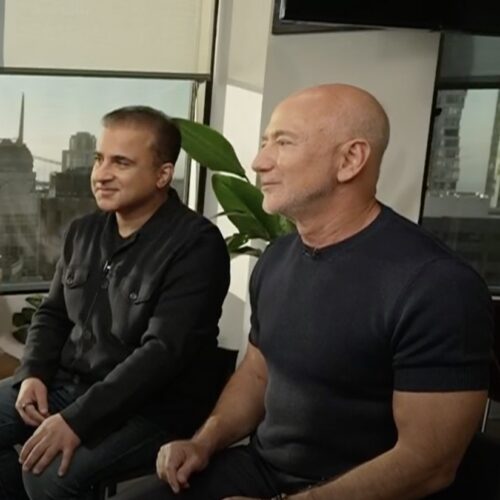
Here's what Jeff Bezos' new startup Prometheus will do
It isn't the only startup tackling physical AI, but it's one of the best-funded.
Signal weather
Momentum is building quickly, so this card is a good early entry point into the topic.
Why now
Fresh coverage with immediate momentum.
I Won't Buy You a Coffee
Comments
Signal weather
Momentum is building quickly, so this card is a good early entry point into the topic.
Why now
Fresh coverage with immediate momentum.
More from Ars Technica
Fresh reporting and follow-up coverage from the same newsroom.
PeopleSoft 0-day affecting hundreds of organizations steals gigabytes of data
Vulnerability in the Oracle-owned PeopleSoft software is about as critical as they come.
Signal weather
Momentum is building quickly, so this card is a good early entry point into the topic.
Why now
Fresh coverage with immediate momentum.
Controversial FISA spying law expires tonight. The spying will continue.
Section 702 of FISA to expire tonight, but certification lasts until March 2027.
Signal weather
Momentum is building quickly, so this card is a good early entry point into the topic.
Why now
Fresh coverage with immediate momentum.
Here's what Jeff Bezos' new startup Prometheus will do
It isn't the only startup tackling physical AI, but it's one of the best-funded.
Signal weather
Momentum is building quickly, so this card is a good early entry point into the topic.
Why now
Fresh coverage with immediate momentum.
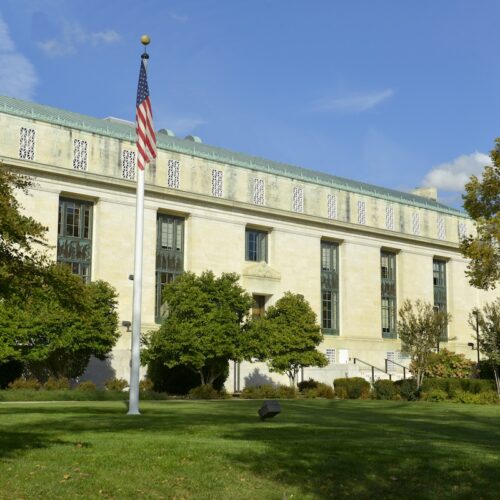
Have politics finally come for the National Academies of Science?
A pending report on climate attribution may be setting the stage for conflict.
Signal weather
Momentum is building quickly, so this card is a good early entry point into the topic.
Why now
Fresh coverage with immediate momentum.