A billion miles in less than a decade: GM's Super Cruise reaches a milestone
The hands-free, eyes-on driver assist only works on geofenced highways.
Signal weather
Stable
The story has moved beyond the first headline and now acts as a reliable context anchor.
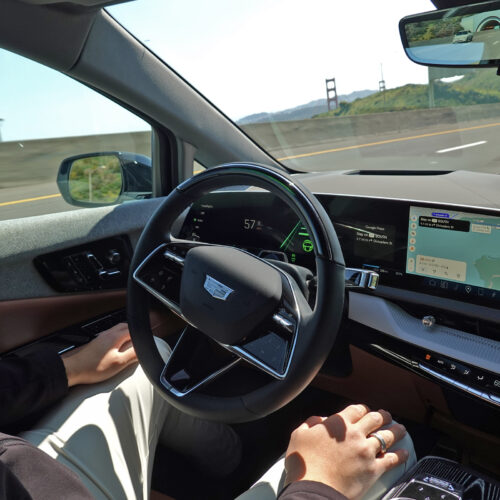
When Super Cruise debuted in the Cadillac CT6 in 2017, it showed there was a responsible way to give drivers a hands-free assistance system. Unlike Tesla, General Motors geofenced the system to only work on restricted-access highways that had been lidar-scanned and HD-mapped ahead of time. What's more, it added a driver-facing infrared camera to track their gaze and ensure their eyes remain on the road ahead for the system to stay active. After starting out in the Cadillac flagship sedan, GM began adding Super Cruise to more and more of its models, and the system has just passed a billion miles driven (1.6 billion km) across almost 750,000 vehicles in the US and Canada. "And we're continuing to grow that, both with the new sales and also we have a very high renewal rate," said Rashed Haq, vice president of autonomous vehicles at GM. That renewal rate is close to 40 percent for GM owners with Super Cruise, according to Haq, which is free for the first three years then is tied to an active OnStar subscription. "It really shows how Super Cruise is passing what I call the toothbrush test. The customers are using it continuously. Once they use it, they never go back. They continue to use it, and then they use it multiple times a day, just like a toothbrush. So it's really past that kind of stickiness test," Haq told me. Read full article Comments
Stay on the signal
Follow A billion miles in less than a decade: GM's Super Cruise reaches a milestone
Follow this story beyond a single article: new follow-ups, adjacent sources, and the evolving storyline.
Story map
Understand this topic fast
A quick entry into the story: why it matters now, who is involved, and where to go next for context.
Why it matters now
Topic constellation
Open the live map for this story
See which entities, story threads, sources, and follow-up articles shape this story right now.
Click nodes to continue
Story timeline
Continue with this story
A short sequence of events and follow-up stories to understand the arc quickly.
How reliable this looks
Signal and trust for Ars Technica
This source works at a rapid pace: 100% of recent stories land in the hot window, and 0% carry visible search signal.
Reliability
92
Freshness
100
Sources in storyline
2
Related articles
More stories that share tags, source, or category context.
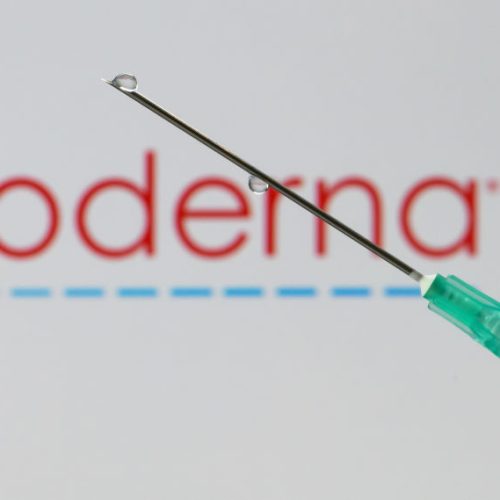
FDA advisors unanimously vote to approve Moderna's mRNA after agency drama
In February, a Trump official refused to review the vaccine.
Signal weather
Momentum is building quickly, so this card is a good early entry point into the topic.
Why now
Fresh coverage with immediate momentum.
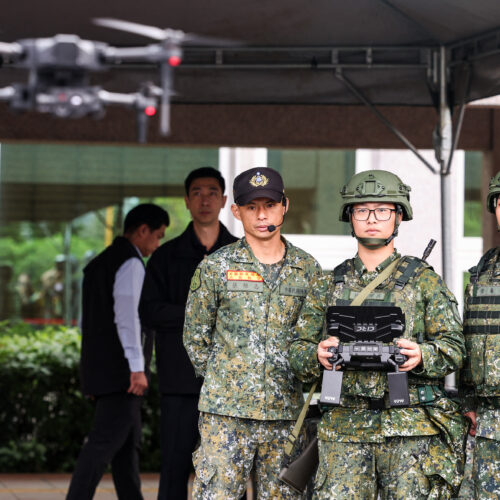
As China looms, Taiwan makes more drones for defense and the US military
Taiwan's drone spending plans for defense could also boost business overseas.
Signal weather
Momentum is building quickly, so this card is a good early entry point into the topic.
Why now
Fresh coverage with immediate momentum.
AI inference startup Baseten reportedly raising $1.5B months after its last mega-round
Startup Baseten is reportedly close to finalizing a $1.5 billion round at a $13 billion as the “inference gold rush" marches on.
Signal weather
Momentum is building quickly, so this card is a good early entry point into the topic.
Why now
Fresh coverage with immediate momentum.
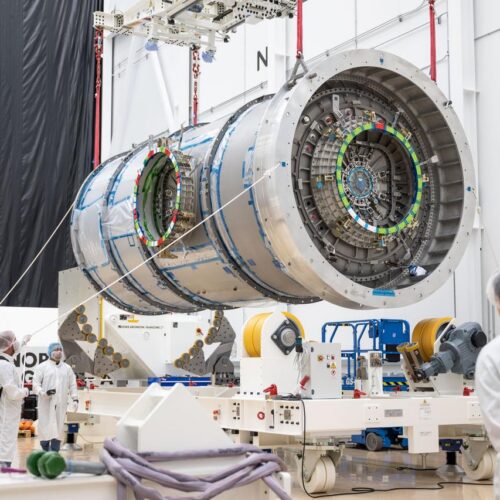
NASA asks Northrop Grumman to stop working on lunar HALO module
"We are reassigning most affected employees across existing opportunities and programs."
Signal weather
Momentum is building quickly, so this card is a good early entry point into the topic.
Why now
Fresh coverage with immediate momentum.
More from Ars Technica
Fresh reporting and follow-up coverage from the same newsroom.
FDA advisors unanimously vote to approve Moderna's mRNA after agency drama
In February, a Trump official refused to review the vaccine.
Signal weather
Momentum is building quickly, so this card is a good early entry point into the topic.
Why now
Fresh coverage with immediate momentum.
As China looms, Taiwan makes more drones for defense and the US military
Taiwan's drone spending plans for defense could also boost business overseas.
Signal weather
Momentum is building quickly, so this card is a good early entry point into the topic.
Why now
Fresh coverage with immediate momentum.
NASA asks Northrop Grumman to stop working on lunar HALO module
"We are reassigning most affected employees across existing opportunities and programs."
Signal weather
Momentum is building quickly, so this card is a good early entry point into the topic.
Why now
Fresh coverage with immediate momentum.

Android verification is coming: Google confirms timeline and supported app stores
A new system service will roll out this month ahead of big changes starting in September.
Signal weather
Momentum is building quickly, so this card is a good early entry point into the topic.
Why now
Fresh coverage with immediate momentum.