Trump proposes steep cut to NASA budget as astronauts head for the Moon
Congress will likely reject the White House's NASA cuts, just as it did last year.
Signal weather
Stable
The story has moved beyond the first headline and now acts as a reliable context anchor.
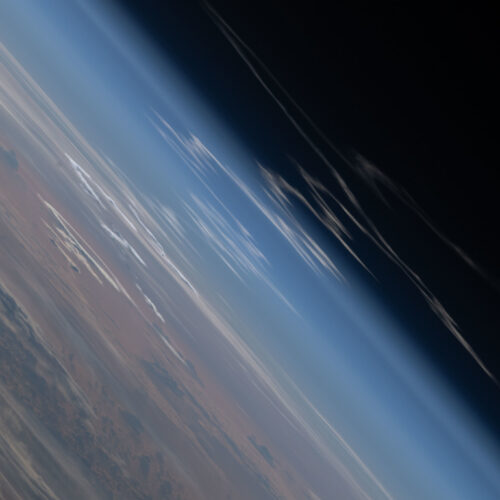
President Donald Trump released a budget blueprint on Friday calling for a 23 percent cut to NASA's budget, two days after the agency launched four astronauts on the first crewed lunar mission in more than 50 years. The spending proposal for fiscal year 2027 is the opening salvo in a multi-month budget process. Both houses of Congress must pass their own appropriations bills, reconcile any differences between the two, and then send the final budget to the White House for President Trump's signature. Fiscal year 2027 begins on October 1. The White House requested a similar cut to NASA last year. The Republican-led Congress resoundingly rejected the proposal and kept NASA's budget close to its level in the final year of the Biden administration. Like last year's budget, the proposal from the Trump administration will undergo major changes as Congress weighs in over the coming months. Read full article Comments
Stay on the signal
Follow Trump proposes steep cut to NASA budget as astronauts head for the Moon
Follow this story beyond a single article: new follow-ups, adjacent sources, and the evolving storyline.
Story map
Understand this topic fast
A quick entry into the story: why it matters now, who is involved, and where to go next for context.
Why it matters now
Topic constellation
Open the live map for this story
See which entities, story threads, sources, and follow-up articles shape this story right now.
Click nodes to continue
Entity pages
Story timeline
Continue with this story
A short sequence of events and follow-up stories to understand the arc quickly.
How reliable this looks
Signal and trust for Ars Technica
This source works at a rapid pace: 100% of recent stories land in the hot window, and 0% carry visible search signal.
Reliability
92
Freshness
100
Sources in storyline
1
Related articles
More stories that share tags, source, or category context.
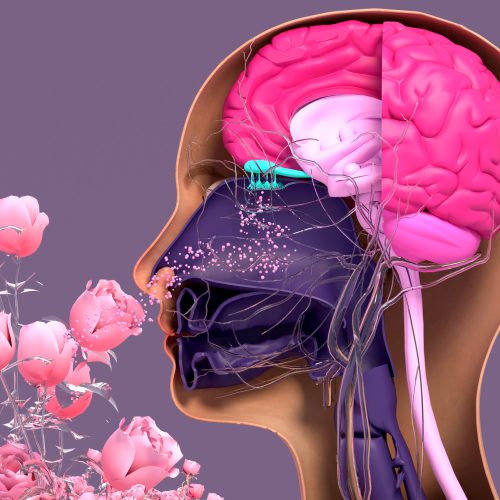
When the ability to smell goes away
Disturbances in this critical sense are often linked to problems with brain health.
Signal weather
Momentum is building quickly, so this card is a good early entry point into the topic.
Why now
Fresh coverage with immediate momentum.

A martian rock has lots of carbon on it, and it's not clear why
Biology could explain the find, but there are other potential explanations.
Signal weather
Momentum is building quickly, so this card is a good early entry point into the topic.
Why now
Fresh coverage with immediate momentum.
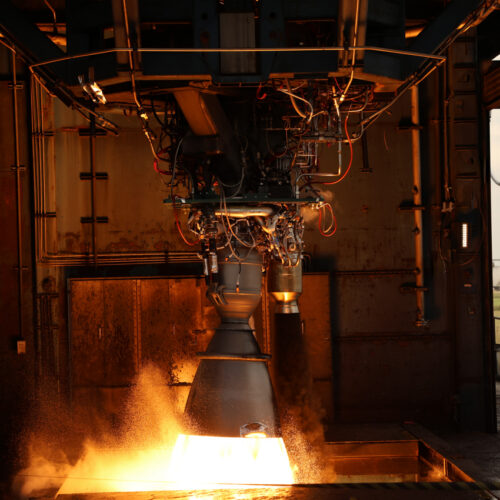
Rocket Report: Indian startup nears first launch; SpaceX's millenary milestone
NASA awarded Rocket Lab deals for three dedicated launches using the company's Electron rocket.
Signal weather
Momentum is building quickly, so this card is a good early entry point into the topic.
Why now
Fresh coverage with immediate momentum.

Inside the Luddite festival harnessing Gen Z’s rage against Big Tech
New York City’s Summer of Ludd festival is teaching people how to live offline.
Signal weather
Momentum is building quickly, so this card is a good early entry point into the topic.
Why now
Fresh coverage with immediate momentum.
More from Ars Technica
Fresh reporting and follow-up coverage from the same newsroom.
When the ability to smell goes away
Disturbances in this critical sense are often linked to problems with brain health.
Signal weather
Momentum is building quickly, so this card is a good early entry point into the topic.
Why now
Fresh coverage with immediate momentum.
A martian rock has lots of carbon on it, and it's not clear why
Biology could explain the find, but there are other potential explanations.
Signal weather
Momentum is building quickly, so this card is a good early entry point into the topic.
Why now
Fresh coverage with immediate momentum.
Rocket Report: Indian startup nears first launch; SpaceX's millenary milestone
NASA awarded Rocket Lab deals for three dedicated launches using the company's Electron rocket.
Signal weather
Momentum is building quickly, so this card is a good early entry point into the topic.
Why now
Fresh coverage with immediate momentum.
Inside the Luddite festival harnessing Gen Z’s rage against Big Tech
New York City’s Summer of Ludd festival is teaching people how to live offline.
Signal weather
Momentum is building quickly, so this card is a good early entry point into the topic.
Why now
Fresh coverage with immediate momentum.