The race to Shackleton Crater is on—will Jeff Bezos or China get there first?
US and Chinese landers could be operating in close proximity on the Moon later this year.
Signal weather
Stable
The story has moved beyond the first headline and now acts as a reliable context anchor.
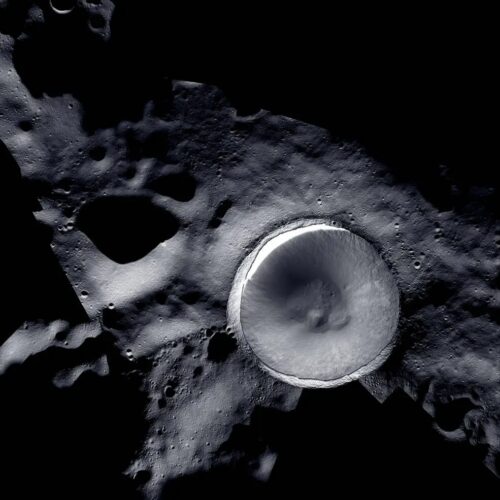
Later this year, two spacecraft are scheduled for launch on missions to land somewhere near the rim of Shackleton Crater, an impact basin near the Moon's south pole harboring an immense reservoir of water ice. The two landers will arguably be the most ambitious robotic missions ever sent to the Moon. The Endurance spacecraft, built by Jeff Bezos' space company Blue Origin, will become the largest lunar lander in history, exceeding the size of NASA's Apollo lunar module that ferried crews to and from the lunar surface more than 50 years ago. China's Chang'e 7 mission will feature a smaller lander, but the project also includes an orbiter, rover, and a hopper drone to scout for hidden ice deposits. Blue Origin's Endurance lander departed NASA's Johnson Space Center in Houston on Saturday for a trip by barge back to Cape Canaveral, Florida, for final preparations to launch on the company's heavy-lift New Glenn rocket. The lander underwent a comprehensive test in Houston to ensure it can survive the extreme temperatures on the airless lunar surface. Two days earlier, Chang'e 7 arrived at a spaceport on Hainan Island in the South China Sea to be integrated with China's own heavy-lifter: the Long March 5 rocket. Read full article Comments
Stay on the signal
Follow The race to Shackleton Crater is on—will Jeff Bezos or China get there first?
Follow this story beyond a single article: new follow-ups, adjacent sources, and the evolving storyline.
Story map
Understand this topic fast
A quick entry into the story: why it matters now, who is involved, and where to go next for context.
Why it matters now
Topic constellation
Open the live map for this story
See which entities, story threads, sources, and follow-up articles shape this story right now.
Click nodes to continue
Entity pages
Story timeline
Continue with this story
A short sequence of events and follow-up stories to understand the arc quickly.
How reliable this looks
Signal and trust for Ars Technica
This source works at a rapid pace: 100% of recent stories land in the hot window, and 0% carry visible search signal.
Reliability
92
Freshness
100
Sources in storyline
1
Related articles
More stories that share tags, source, or category context.
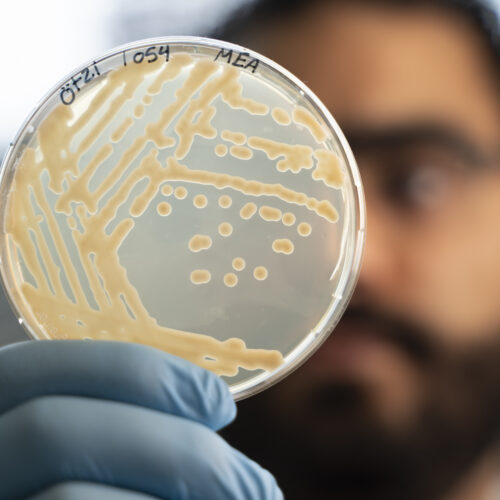
Some ancient microbes frozen with Ötzi the Iceman are still growing
What’s the difference between a person, an artifact, and an ecosystem?
Signal weather
Momentum is building quickly, so this card is a good early entry point into the topic.
Why now
Fresh coverage with immediate momentum.

Baby botulism outbreak: FDA still doesn't know cause—or how to prevent it
In the end, the three companies involved all point the finger at each other.
Signal weather
Momentum is building quickly, so this card is a good early entry point into the topic.
Why now
Fresh coverage with immediate momentum.
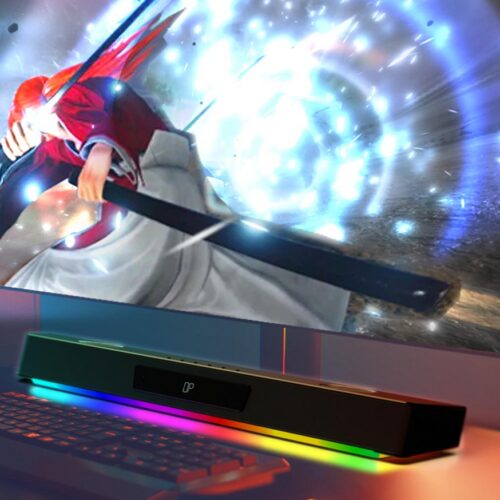
How a USB-connected speaker can infect a PC without ever being touched
Seller of the Sound Blaster Katana V2X doesn't consider the behavior a vulnerability.
Signal weather
Momentum is building quickly, so this card is a good early entry point into the topic.
Why now
Fresh coverage with immediate momentum.
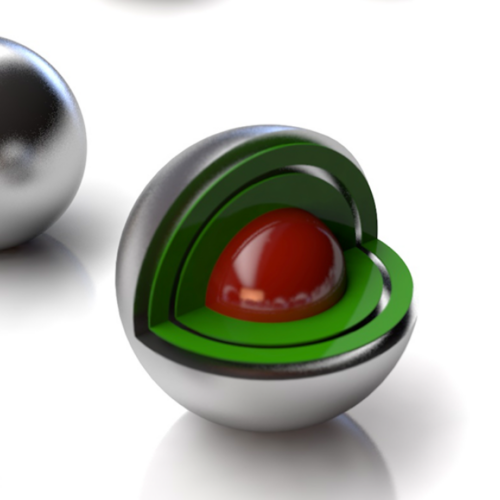
Small modular nuclear reactor reaches criticality in first test
The reactor, from a startup called Antares, isn't ready to generate power yet.
Signal weather
Momentum is building quickly, so this card is a good early entry point into the topic.
Why now
Fresh coverage with immediate momentum.
More from Ars Technica
Fresh reporting and follow-up coverage from the same newsroom.
Some ancient microbes frozen with Ötzi the Iceman are still growing
What’s the difference between a person, an artifact, and an ecosystem?
Signal weather
Momentum is building quickly, so this card is a good early entry point into the topic.
Why now
Fresh coverage with immediate momentum.
Baby botulism outbreak: FDA still doesn't know cause—or how to prevent it
In the end, the three companies involved all point the finger at each other.
Signal weather
Momentum is building quickly, so this card is a good early entry point into the topic.
Why now
Fresh coverage with immediate momentum.
How a USB-connected speaker can infect a PC without ever being touched
Seller of the Sound Blaster Katana V2X doesn't consider the behavior a vulnerability.
Signal weather
Momentum is building quickly, so this card is a good early entry point into the topic.
Why now
Fresh coverage with immediate momentum.
Small modular nuclear reactor reaches criticality in first test
The reactor, from a startup called Antares, isn't ready to generate power yet.
Signal weather
Momentum is building quickly, so this card is a good early entry point into the topic.
Why now
Fresh coverage with immediate momentum.