How a USB-connected speaker can infect a PC without ever being touched
Seller of the Sound Blaster Katana V2X doesn't consider the behavior a vulnerability.
Signal weather
Rising
Momentum is building quickly, so this card is a good early entry point into the topic.
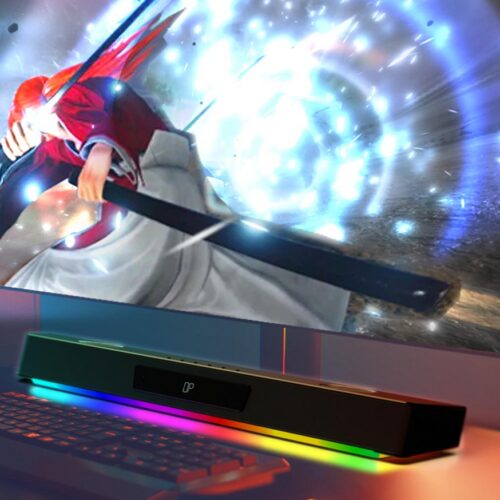
Operating system makers take many steps to prevent their wares from accepting commands from remote devices. The safeguards, designed to thwart malicious attacks, typically require hackers to jump through all kinds of hoops to bypass the measures. But what if remote code execution were as simple as being within Bluetooth range of a speaker connected to the targeted device? It turns out it can, at least when the speaker is a Sound Blaster Katana V2X sold by Singapore-based Creative Technologies. The speaker, which sells for $283, is widely acclaimed with numerous reviews showering praise on the sound and performance of it and its predecessor, the Sound Blaster V2. A PC-pwning proxy Researcher Rasmus Moorats stumbled on the hack by accident, after he purchased a Katana V2X, a soundbar that connects to PCs, Macs, and Linux devices over USB or Bluetooth. Moorats was curious if he could create a Linux tool that communicated with his speaker. He discovered he could do so through CTP, a proprietary mechanism he guesses is short for Creative Transport Protocol. Read full article Comments
Stay on the signal
Follow How a USB-connected speaker can infect a PC without ever being touched
Follow this story beyond a single article: new follow-ups, adjacent sources, and the evolving storyline.
Story map
Understand this topic fast
A quick entry into the story: why it matters now, who is involved, and where to go next for context.
Why it matters now
Topic constellation
Open the live map for this story
See which entities, story threads, sources, and follow-up articles shape this story right now.
Click nodes to continue
Story timeline
Continue with this story
A short sequence of events and follow-up stories to understand the arc quickly.
How reliable this looks
Signal and trust for Ars Technica
This source works at a rapid pace: 100% of recent stories land in the hot window, and 0% carry visible search signal.
Reliability
92
Freshness
100
Sources in storyline
1
Related articles
More stories that share tags, source, or category context.

Some ancient microbes frozen with Ötzi the Iceman are still growing
What’s the difference between a person, an artifact, and an ecosystem?
Signal weather
Momentum is building quickly, so this card is a good early entry point into the topic.
Why now
Fresh coverage with immediate momentum.

Baby botulism outbreak: FDA still doesn't know cause—or how to prevent it
In the end, the three companies involved all point the finger at each other.
Signal weather
Momentum is building quickly, so this card is a good early entry point into the topic.
Why now
Fresh coverage with immediate momentum.
Small modular nuclear reactor reaches criticality in first test
The reactor, from a startup called Antares, isn't ready to generate power yet.
Signal weather
Momentum is building quickly, so this card is a good early entry point into the topic.
Why now
Fresh coverage with immediate momentum.
The saga of the International Space Station air leak took a worrying turn Friday
"We look forward to working with Roscosmos on a collaborative approach to address the leaks."
Signal weather
Momentum is building quickly, so this card is a good early entry point into the topic.
Why now
Fresh coverage with immediate momentum.
More from Ars Technica
Fresh reporting and follow-up coverage from the same newsroom.
Some ancient microbes frozen with Ötzi the Iceman are still growing
What’s the difference between a person, an artifact, and an ecosystem?
Signal weather
Momentum is building quickly, so this card is a good early entry point into the topic.
Why now
Fresh coverage with immediate momentum.
Baby botulism outbreak: FDA still doesn't know cause—or how to prevent it
In the end, the three companies involved all point the finger at each other.
Signal weather
Momentum is building quickly, so this card is a good early entry point into the topic.
Why now
Fresh coverage with immediate momentum.
Small modular nuclear reactor reaches criticality in first test
The reactor, from a startup called Antares, isn't ready to generate power yet.
Signal weather
Momentum is building quickly, so this card is a good early entry point into the topic.
Why now
Fresh coverage with immediate momentum.
The saga of the International Space Station air leak took a worrying turn Friday
"We look forward to working with Roscosmos on a collaborative approach to address the leaks."
Signal weather
Momentum is building quickly, so this card is a good early entry point into the topic.
Why now
Fresh coverage with immediate momentum.