Recent advances push Big Tech closer to the Q-Day danger zone
Here's which players are winning the race to transition to post-quantum crypto.
Signal weather
Stable
The story has moved beyond the first headline and now acts as a reliable context anchor.
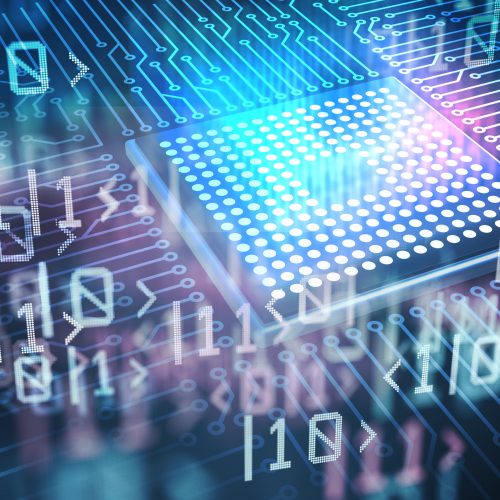
Sometime around 2010, sophisticated malware known as Flame hijacked the mechanism that Microsoft used to distribute updates to millions of Windows computers around the world. The malware—reportedly jointly developed by the US and Israel—pushed a malicious update throughout an infected network belonging to the Iranian government. The lynchpin of the "collision" attack was an exploit of MD5, a cryptographic hash function Microsoft was using to authenticate digital certificates. By minting a cryptographically perfect digital signature based on MD5, the attackers forged a certificate that authenticated their malicious update server. Had the attack been used more broadly, it would have had catastrophic consequences worldwide. Getting uncomfortably close to the danger zone The event, which came to light in 2012, now serves as a cautionary tale for cryptography engineers as they contemplate the downfall of two crucial cryptography algorithms used everywhere. Since 2004, MD5 has been known to be vulnerable to "collisions," a fatal flaw that allows adversaries to generate two distinct inputs that produce identical outputs. Read full article Comments
Stay on the signal
Follow Recent advances push Big Tech closer to the Q-Day danger zone
Follow this story beyond a single article: new follow-ups, adjacent sources, and the evolving storyline.
Story map
Understand this topic fast
A quick entry into the story: why it matters now, who is involved, and where to go next for context.
Why it matters now
Topic constellation
Open the live map for this story
See which entities, story threads, sources, and follow-up articles shape this story right now.
Click nodes to continue
Story timeline
Continue with this story
A short sequence of events and follow-up stories to understand the arc quickly.
How reliable this looks
Signal and trust for Ars Technica
This source works at a rapid pace: 100% of recent stories land in the hot window, and 0% carry visible search signal.
Reliability
92
Freshness
100
Sources in storyline
2
Related articles
More stories that share tags, source, or category context.
What to expect from WWDC 2026: Siri’s highly anticipated revamp and Apple Intelligence updates
Apple's WWDC nears: Here's what you can look forward to.
Signal weather
Momentum is building quickly, so this card is a good early entry point into the topic.
Why now
Fresh coverage with immediate momentum.
Beyond Instagram: Introducing the next generation of social apps
These newer social apps offer alternatives to Big Tech’s feeds, focusing on interests, creativity, and community.
Signal weather
Momentum is building quickly, so this card is a good early entry point into the topic.
Why now
Fresh coverage with immediate momentum.
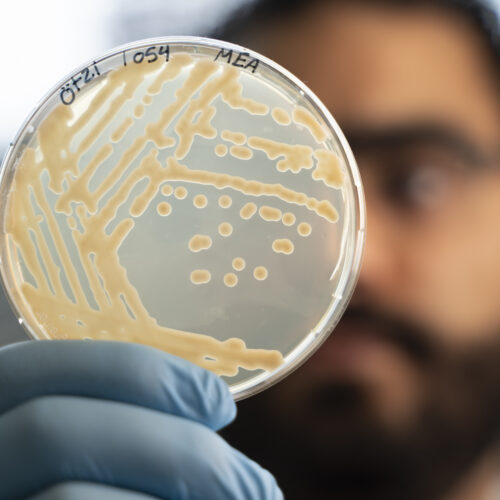
Some ancient microbes frozen with Ötzi the Iceman are still growing
What’s the difference between a person, an artifact, and an ecosystem?
Signal weather
Momentum is building quickly, so this card is a good early entry point into the topic.
Why now
Fresh coverage with immediate momentum.
Is anyone here interested in contributing to this OS?
Comments
Signal weather
Momentum is building quickly, so this card is a good early entry point into the topic.
Why now
Fresh coverage with immediate momentum.
More from Ars Technica
Fresh reporting and follow-up coverage from the same newsroom.
Some ancient microbes frozen with Ötzi the Iceman are still growing
What’s the difference between a person, an artifact, and an ecosystem?
Signal weather
Momentum is building quickly, so this card is a good early entry point into the topic.
Why now
Fresh coverage with immediate momentum.

Baby botulism outbreak: FDA still doesn't know cause—or how to prevent it
In the end, the three companies involved all point the finger at each other.
Signal weather
Momentum is building quickly, so this card is a good early entry point into the topic.
Why now
Fresh coverage with immediate momentum.
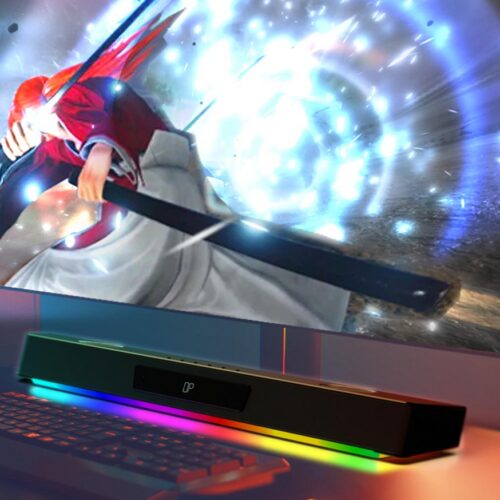
How a USB-connected speaker can infect a PC without ever being touched
Seller of the Sound Blaster Katana V2X doesn't consider the behavior a vulnerability.
Signal weather
Momentum is building quickly, so this card is a good early entry point into the topic.
Why now
Fresh coverage with immediate momentum.
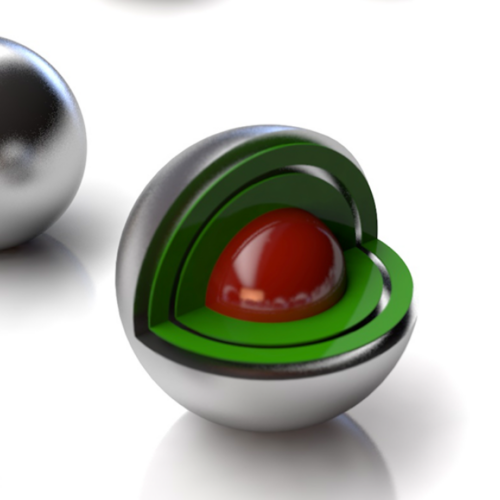
Small modular nuclear reactor reaches criticality in first test
The reactor, from a startup called Antares, isn't ready to generate power yet.
Signal weather
Momentum is building quickly, so this card is a good early entry point into the topic.
Why now
Fresh coverage with immediate momentum.