OpenAI starts offering a biology-tuned LLM
GPT-Rosalind is an LLM trained on biology workflows, available in closed access.
Signal weather
Stable
The story has moved beyond the first headline and now acts as a reliable context anchor.
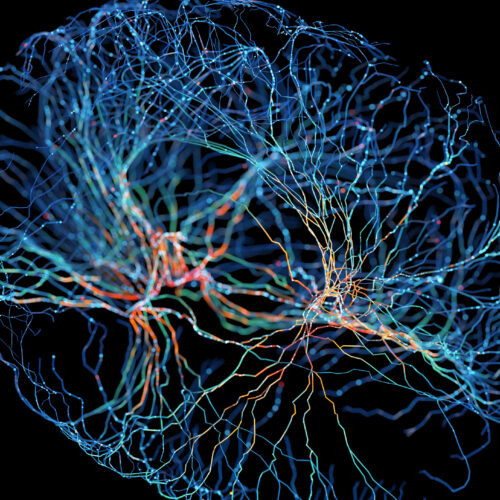
On Thursday, OpenAI announced it had developed a large language model specifically trained on common biology workflows. Called GPT-Rosalind after Rosalind Franklin, the model appears to differ from most science-focused models from major tech companies, which have generally taken a more generic approach that works for various fields. In a press briefing, Yunyun Wang, OpenAI's Life Sciences Product Lead, said the system was designed to tackle two major roadblocks faced by current biology researchers. One is the massive datasets created by decades of genome sequencing and protein biochemistry, which can be too much for any one researcher to take in. The second is that biology has many highly specialized subfields, each with its own techniques and jargon. So, for example, a geneticist who finds themselves working on a gene that's active in brain cells might struggle to understand the immense neurobiological literature. Wang said the company had taken an LLM and trained it on 50 of the most common biological workflows, as well as on how to access the major public databases of biological information. Further training has resulted in a system that can suggest likely biological pathways and prioritize potential drug targets. "We're connecting genotype to phenotype through known pathways and regulatory mechanisms, infer likely structural or functional properties of proteins, and really leveraging this mechanistic understanding," Wang said. Read full article Comments
Stay on the signal
Follow OpenAI starts offering a biology-tuned LLM
Follow this story beyond a single article: new follow-ups, adjacent sources, and the evolving storyline.
Story map
Understand this topic fast
A quick entry into the story: why it matters now, who is involved, and where to go next for context.
Why it matters now
Topic constellation
Open the live map for this story
See which entities, story threads, sources, and follow-up articles shape this story right now.
Click nodes to continue
Entity pages
Story timeline
Continue with this story
A short sequence of events and follow-up stories to understand the arc quickly.
How reliable this looks
Signal and trust for Ars Technica
This source works at a rapid pace: 100% of recent stories land in the hot window, and 0% carry visible search signal.
Reliability
92
Freshness
100
Sources in storyline
1
Related articles
More stories that share tags, source, or category context.
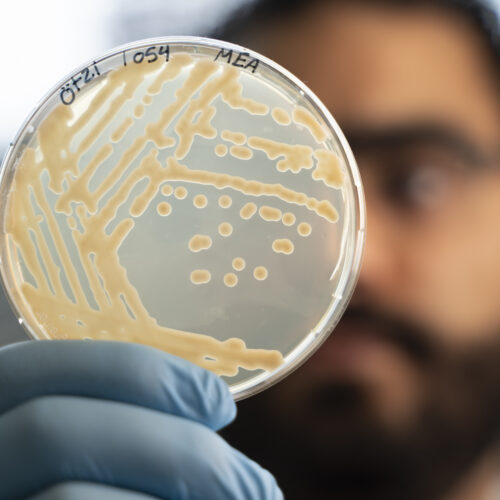
Some ancient microbes frozen with Ötzi the Iceman are still growing
What’s the difference between a person, an artifact, and an ecosystem?
Signal weather
Momentum is building quickly, so this card is a good early entry point into the topic.
Why now
Fresh coverage with immediate momentum.
S&P 500 rejects SpaceX, also blocking entry for OpenAI and Anthropic
Comments
Signal weather
Momentum is building quickly, so this card is a good early entry point into the topic.
Why now
Fresh coverage with immediate momentum.

Baby botulism outbreak: FDA still doesn't know cause—or how to prevent it
In the end, the three companies involved all point the finger at each other.
Signal weather
Momentum is building quickly, so this card is a good early entry point into the topic.
Why now
Fresh coverage with immediate momentum.

How a USB-connected speaker can infect a PC without ever being touched
Seller of the Sound Blaster Katana V2X doesn't consider the behavior a vulnerability.
Signal weather
Momentum is building quickly, so this card is a good early entry point into the topic.
Why now
Fresh coverage with immediate momentum.
More from Ars Technica
Fresh reporting and follow-up coverage from the same newsroom.
Some ancient microbes frozen with Ötzi the Iceman are still growing
What’s the difference between a person, an artifact, and an ecosystem?
Signal weather
Momentum is building quickly, so this card is a good early entry point into the topic.
Why now
Fresh coverage with immediate momentum.
Baby botulism outbreak: FDA still doesn't know cause—or how to prevent it
In the end, the three companies involved all point the finger at each other.
Signal weather
Momentum is building quickly, so this card is a good early entry point into the topic.
Why now
Fresh coverage with immediate momentum.
How a USB-connected speaker can infect a PC without ever being touched
Seller of the Sound Blaster Katana V2X doesn't consider the behavior a vulnerability.
Signal weather
Momentum is building quickly, so this card is a good early entry point into the topic.
Why now
Fresh coverage with immediate momentum.
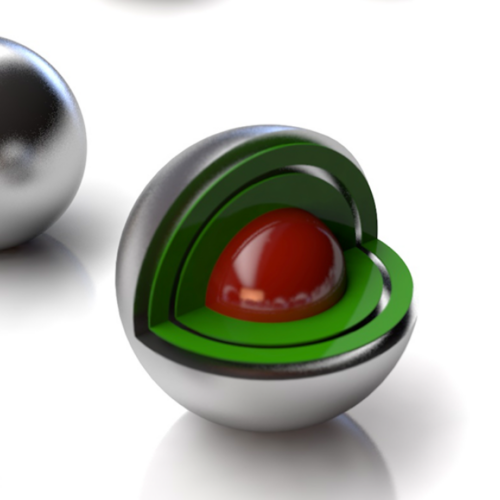
Small modular nuclear reactor reaches criticality in first test
The reactor, from a startup called Antares, isn't ready to generate power yet.
Signal weather
Momentum is building quickly, so this card is a good early entry point into the topic.
Why now
Fresh coverage with immediate momentum.