Nvidia RTX Spark comes to Windows PCs with Arm CPU, RTX GPU, and unified memory
Nvidia's new chips will power laptop workstations and mini desktop PCs at first.
Signal weather
Rising
Momentum is building quickly, so this card is a good early entry point into the topic.
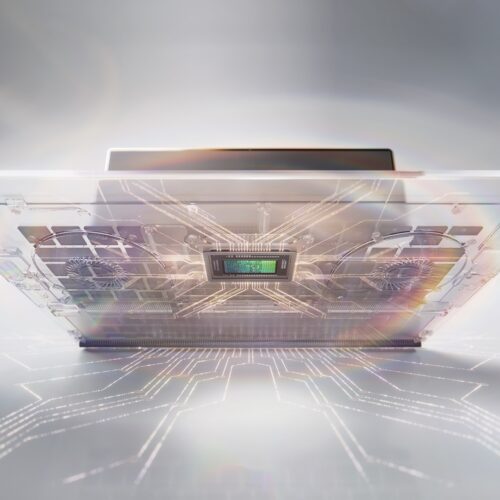
These days, Nvidia primarily sells AI data center products, and its traditional consumer devices feel like more of a side project. But the company occasionally still releases something designed for consumers. After a couple of years of rumors, Nvidia has announced an Arm-based chip designed to power Windows PCs. Dubbed RTX Spark, the new chip combines a 20-core Nvidia Grace CPU co-developed with MediaTek, up to 6,144 Blackwell-based GPU cores (the same architecture as the RTX 50-series GPUs), and support for up to 128GB of unified LPDDR5x memory. Nvidia and its partners offered nothing about expected pricing, but both "slim Windows laptops with all-day battery life and premium displays" and "compact desktop PCs" are slated to be "available this fall" from partners including Asus, Dell, HP, Lenovo, Microsoft, MSI, Acer, and Gigabyte. This isn't Nvidia's first chip for Windows PCs; earlier chips in the Tegra series powered several of the short-lived Windows RT tablets. But Tegra chips largely stopped appearing in consumer devices following the Tegra X1 in the late 2010s (variants power the original Nintendo Switch and the apparently unkillable Nvidia Shield TV box). Modern Arm-based PCs in the Windows 10 and Windows 11 eras have all used processors from Qualcomm. Read full article Comments
Stay on the signal
Follow Nvidia RTX Spark comes to Windows PCs with Arm CPU, RTX GPU, and unified memory
Follow this story beyond a single article: new follow-ups, adjacent sources, and the evolving storyline.
Story map
Understand this topic fast
A quick entry into the story: why it matters now, who is involved, and where to go next for context.
Why it matters now
Topic constellation
Open the live map for this story
See which entities, story threads, sources, and follow-up articles shape this story right now.
Click nodes to continue
Story timeline
Continue with this story
A short sequence of events and follow-up stories to understand the arc quickly.
How reliable this looks
Signal and trust for Ars Technica
This source works at a rapid pace: 100% of recent stories land in the hot window, and 0% carry visible search signal.
Reliability
92
Freshness
100
Sources in storyline
2
Related articles
More stories that share tags, source, or category context.
Nvidia is proposing a beast of a CPU system for Windows PCs
Comments
Signal weather
Momentum is building quickly, so this card is a good early entry point into the topic.
Why now
Fresh coverage with immediate momentum.
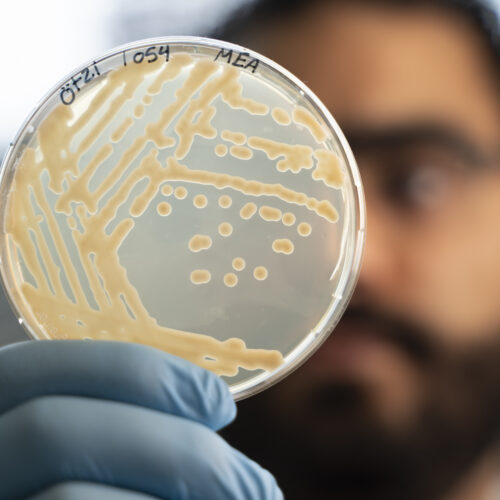
Some ancient microbes frozen with Ötzi the Iceman are still growing
What’s the difference between a person, an artifact, and an ecosystem?
Signal weather
Momentum is building quickly, so this card is a good early entry point into the topic.
Why now
Fresh coverage with immediate momentum.

Baby botulism outbreak: FDA still doesn't know cause—or how to prevent it
In the end, the three companies involved all point the finger at each other.
Signal weather
Momentum is building quickly, so this card is a good early entry point into the topic.
Why now
Fresh coverage with immediate momentum.
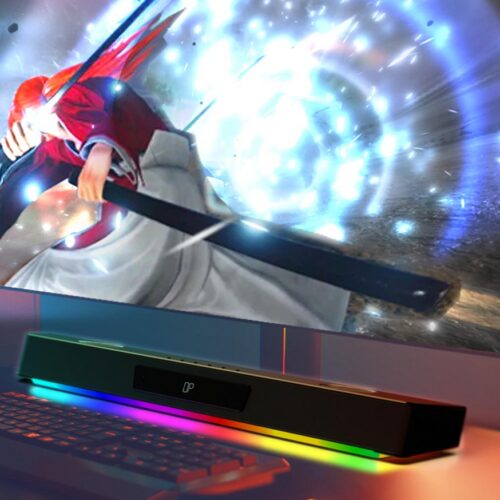
How a USB-connected speaker can infect a PC without ever being touched
Seller of the Sound Blaster Katana V2X doesn't consider the behavior a vulnerability.
Signal weather
Momentum is building quickly, so this card is a good early entry point into the topic.
Why now
Fresh coverage with immediate momentum.
More from Ars Technica
Fresh reporting and follow-up coverage from the same newsroom.
Some ancient microbes frozen with Ötzi the Iceman are still growing
What’s the difference between a person, an artifact, and an ecosystem?
Signal weather
Momentum is building quickly, so this card is a good early entry point into the topic.
Why now
Fresh coverage with immediate momentum.
Baby botulism outbreak: FDA still doesn't know cause—or how to prevent it
In the end, the three companies involved all point the finger at each other.
Signal weather
Momentum is building quickly, so this card is a good early entry point into the topic.
Why now
Fresh coverage with immediate momentum.
How a USB-connected speaker can infect a PC without ever being touched
Seller of the Sound Blaster Katana V2X doesn't consider the behavior a vulnerability.
Signal weather
Momentum is building quickly, so this card is a good early entry point into the topic.
Why now
Fresh coverage with immediate momentum.
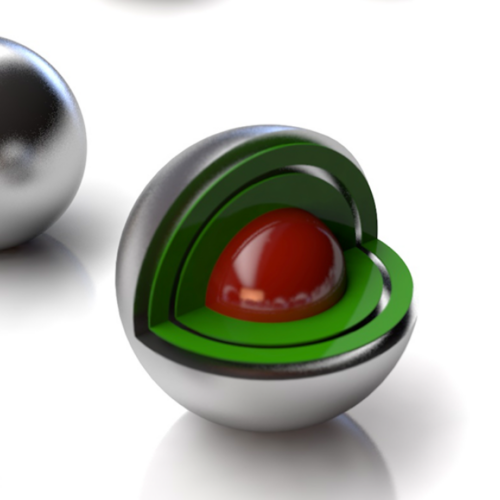
Small modular nuclear reactor reaches criticality in first test
The reactor, from a startup called Antares, isn't ready to generate power yet.
Signal weather
Momentum is building quickly, so this card is a good early entry point into the topic.
Why now
Fresh coverage with immediate momentum.