Iran-linked hackers disrupt operations at US critical infrastructure sites
As the US and Israel's war has ramped up, so too have hacks on US industrial sites.
Signal weather
Stable
The story has moved beyond the first headline and now acts as a reliable context anchor.
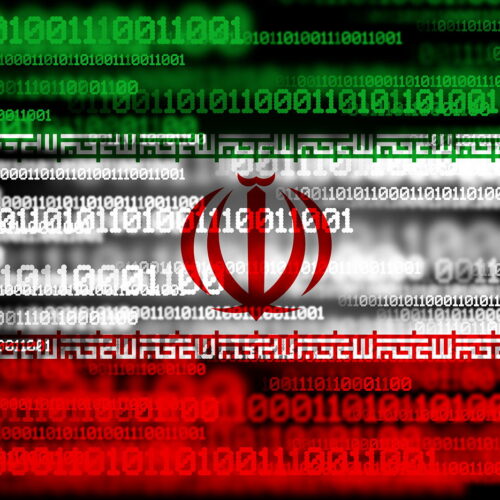
Hackers working on behalf of the Iranian government are disrupting operations at multiple US critical infrastructure sites, likely in response to the country's ongoing war with the US, a half-dozen government agencies are warning. In an advisory published Tuesday, the FBI, Cybersecurity and Infrastructure Security Agency, National Security Agency, Environmental Protection Agency, Department of Energy, and US Cyber Command “urgently" warned that the APT, or advanced persistent threat group, is targeting PLCs, short for programmable logic controllers. These devices, typically the size of a toaster, sit in factories, water treatment centers, oil refineries, and other industrial settings, often in remote locations. They provide an interface between computers used for automation and physical machinery. Operational disruption and financial loss “Since at least March 2026, the authoring agencies identified (through engagements with victim organizations) an Iranian-affiliated APT-group that disrupted the function of PLCs,” the advisory stated. “These PLCs were deployed across multiple US critical infrastructure sectors (including Government Services and Facilities, Waste Water Systems (WWS), and Energy sectors) within a wide variety of industrial automation processes. Some of the victims experienced operational disruption and financial loss.”Read full article Comments
Stay on the signal
Follow Iran-linked hackers disrupt operations at US critical infrastructure sites
Follow this story beyond a single article: new follow-ups, adjacent sources, and the evolving storyline.
Story map
Understand this topic fast
A quick entry into the story: why it matters now, who is involved, and where to go next for context.
Why it matters now
Topic constellation
Open the live map for this story
See which entities, story threads, sources, and follow-up articles shape this story right now.
Click nodes to continue
Entity pages
Story threads
Story timeline
Continue with this story
A short sequence of events and follow-up stories to understand the arc quickly.
How reliable this looks
Signal and trust for Ars Technica
This source works at a rapid pace: 100% of recent stories land in the hot window, and 0% carry visible search signal.
Reliability
92
Freshness
100
Sources in storyline
1
Related articles
More stories that share tags, source, or category context.
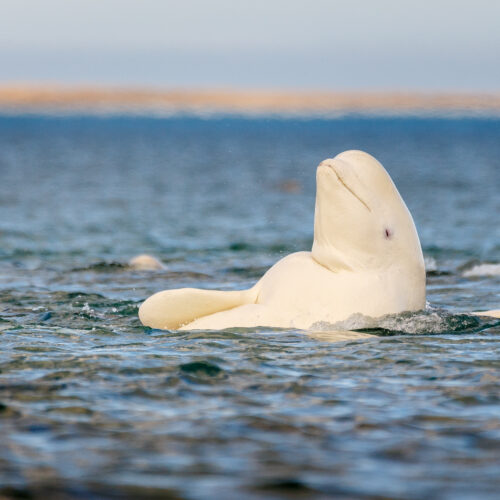
Whatever the mirror test tells us, beluga whales pass it
The white whales join the short, contested list of animals that see themselves.
Signal weather
Momentum is building quickly, so this card is a good early entry point into the topic.
Why now
Fresh coverage with immediate momentum.
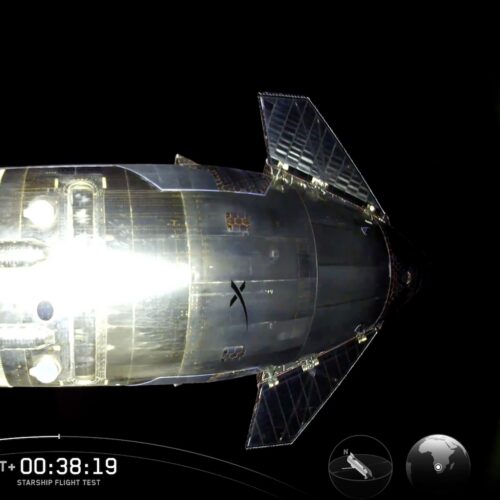
SpaceX's Starship V3—still a work in progress—mostly successful on first flight
SpaceX has more to prove before flying Starship all the way to low-Earth orbit.
Signal weather
Momentum is building quickly, so this card is a good early entry point into the topic.
Why now
Fresh coverage with immediate momentum.

Two space shuttle-era spacewalkers enter Astronaut Hall of Fame
"Two astronauts whose careers embody excellence, leadership, and service."
Signal weather
Momentum is building quickly, so this card is a good early entry point into the topic.
Why now
Fresh coverage with immediate momentum.
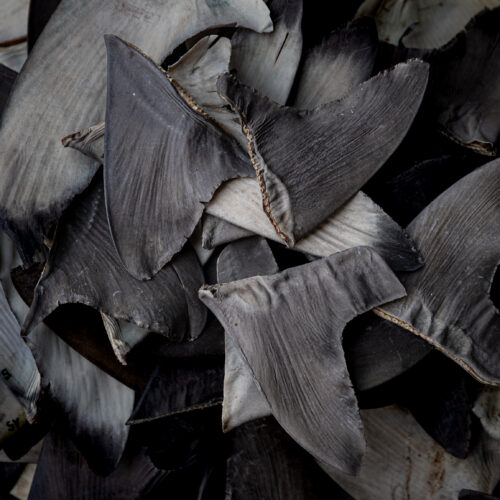
China’s shark finning could lead to US seafood sanctions
A formal petition to the US government calls for sanctions on Chinese seafood imports.
Signal weather
Momentum is building quickly, so this card is a good early entry point into the topic.
Why now
Fresh coverage with immediate momentum.
More from Ars Technica
Fresh reporting and follow-up coverage from the same newsroom.
Whatever the mirror test tells us, beluga whales pass it
The white whales join the short, contested list of animals that see themselves.
Signal weather
Momentum is building quickly, so this card is a good early entry point into the topic.
Why now
Fresh coverage with immediate momentum.
SpaceX's Starship V3—still a work in progress—mostly successful on first flight
SpaceX has more to prove before flying Starship all the way to low-Earth orbit.
Signal weather
Momentum is building quickly, so this card is a good early entry point into the topic.
Why now
Fresh coverage with immediate momentum.
Two space shuttle-era spacewalkers enter Astronaut Hall of Fame
"Two astronauts whose careers embody excellence, leadership, and service."
Signal weather
Momentum is building quickly, so this card is a good early entry point into the topic.
Why now
Fresh coverage with immediate momentum.
China’s shark finning could lead to US seafood sanctions
A formal petition to the US government calls for sanctions on Chinese seafood imports.
Signal weather
Momentum is building quickly, so this card is a good early entry point into the topic.
Why now
Fresh coverage with immediate momentum.