In a surprise launch, China debuts another big rocket designed for reusability
There are sound engineering reasons to use the same approach SpaceX uses with the Falcon 9.
Signal weather
Rising
Momentum is building quickly, so this card is a good early entry point into the topic.

The race to field China's first reusable launch vehicle is far less predictable than a similar competition that played out in the United States a decade ago. There was never any real question of which company would develop and demonstrate the first reusable orbital-class rocket in the United States. SpaceX landed a Falcon 9 booster for the first time in 2015, and a little more than a year later, it launched it back into space. It took nearly 10 years for anyone else to do the same. Blue Origin celebrated its first orbital-class booster landing last November with the successful recovery of one of its New Glenn boosters, followed by a relaunch of the same rocket in April. In China, several companies and state-owned enterprises have a realistic shot at landing an orbital-class booster stage this year. For a time, it seemed like China's new crop of privately funded launch companies might have the advantage in accomplishing the first landing of an orbital-class booster. But Monday's launch of China's Long March 12B rocket, backed by the nearly unrestricted resources of the country's vast state-owned aerospace enterprise, suggests the industry's legacy players may now have a leg up. Read full article Comments
Stay on the signal
Follow In a surprise launch, China debuts another big rocket designed for reusability
Follow this story beyond a single article: new follow-ups, adjacent sources, and the evolving storyline.
Story map
Understand this topic fast
A quick entry into the story: why it matters now, who is involved, and where to go next for context.
Why it matters now
Topic constellation
Open the live map for this story
See which entities, story threads, sources, and follow-up articles shape this story right now.
Click nodes to continue
Entity pages
Story timeline
Continue with this story
A short sequence of events and follow-up stories to understand the arc quickly.
How reliable this looks
Signal and trust for Ars Technica
This source works at a rapid pace: 100% of recent stories land in the hot window, and 0% carry visible search signal.
Reliability
92
Freshness
100
Sources in storyline
2
Related articles
More stories that share tags, source, or category context.
Google will pay SpaceX $920M per month for compute
Comments
Signal weather
Momentum is building quickly, so this card is a good early entry point into the topic.
Why now
Fresh coverage with immediate momentum.

Some ancient microbes frozen with Ötzi the Iceman are still growing
What’s the difference between a person, an artifact, and an ecosystem?
Signal weather
Momentum is building quickly, so this card is a good early entry point into the topic.
Why now
Fresh coverage with immediate momentum.
S&P 500 rejects SpaceX, also blocking entry for OpenAI and Anthropic
Comments
Signal weather
Momentum is building quickly, so this card is a good early entry point into the topic.
Why now
Fresh coverage with immediate momentum.

Baby botulism outbreak: FDA still doesn't know cause—or how to prevent it
In the end, the three companies involved all point the finger at each other.
Signal weather
Momentum is building quickly, so this card is a good early entry point into the topic.
Why now
Fresh coverage with immediate momentum.
More from Ars Technica
Fresh reporting and follow-up coverage from the same newsroom.
Some ancient microbes frozen with Ötzi the Iceman are still growing
What’s the difference between a person, an artifact, and an ecosystem?
Signal weather
Momentum is building quickly, so this card is a good early entry point into the topic.
Why now
Fresh coverage with immediate momentum.
Baby botulism outbreak: FDA still doesn't know cause—or how to prevent it
In the end, the three companies involved all point the finger at each other.
Signal weather
Momentum is building quickly, so this card is a good early entry point into the topic.
Why now
Fresh coverage with immediate momentum.
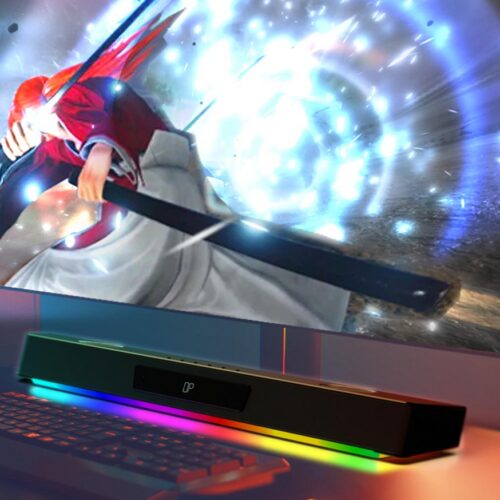
How a USB-connected speaker can infect a PC without ever being touched
Seller of the Sound Blaster Katana V2X doesn't consider the behavior a vulnerability.
Signal weather
Momentum is building quickly, so this card is a good early entry point into the topic.
Why now
Fresh coverage with immediate momentum.

Small modular nuclear reactor reaches criticality in first test
The reactor, from a startup called Antares, isn't ready to generate power yet.
Signal weather
Momentum is building quickly, so this card is a good early entry point into the topic.
Why now
Fresh coverage with immediate momentum.