Bad cholesterol slashed 62% by single dose of gene-editing drug in small trial
The interim Phase I trial data was only from 35 people, but results look good so far.
Signal weather
Rising
Momentum is building quickly, so this card is a good early entry point into the topic.
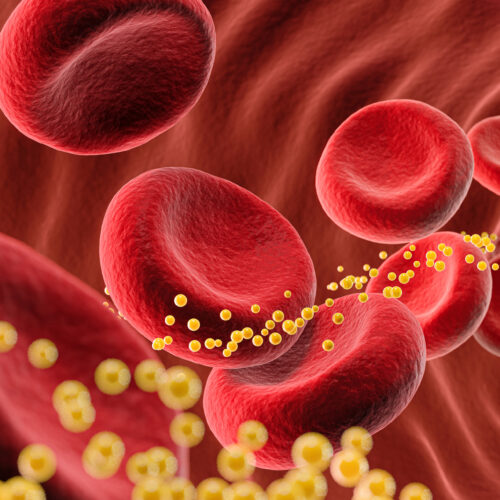
An experimental gene-editing therapy that aims to lower bad cholesterol for the long-term after a single infusion is off to a positive start in an early clinical trial. Researchers running a Phase I safety trial for the drug, dubbed VERVE-102, published interim results from just 35 patients this week in the New England Journal of Medicine. Though the numbers are small and the analysis is preliminary, VERVE-102 appeared safe, with no serious adverse events reported from the treatment, even at the largest doses. The most significant finding was a temporary, mild increase of a liver enzyme that suggested minor injury in the liver, where the drug works. The small amount of data also hints that the drug is effective. The subgroup of participants who received the largest dose have seen their bad cholesterol—that is, their low-density lipoprotein or LDL—drop 62 percent, to a mean of 78 mg per deciliter. For people with high cholesterol—like the participants in the trial—a reduction of this magnitude could cut the risk of cardiovascular disease from plaque buildup in arteries by an estimated 50 percent if it's sustained for over 20 years. The trial only has up to 18 months of follow-up data so far, but from that, the positive effects of VERVE-102 seem to be holding up. The LDL reductions have been sustained in all the subgroups. Read full article Comments
Stay on the signal
Follow Bad cholesterol slashed 62% by single dose of gene-editing drug in small trial
Follow this story beyond a single article: new follow-ups, adjacent sources, and the evolving storyline.
Story map
Understand this topic fast
A quick entry into the story: why it matters now, who is involved, and where to go next for context.
Why it matters now
Topic constellation
Open the live map for this story
See which entities, story threads, sources, and follow-up articles shape this story right now.
Click nodes to continue
Entity pages
Story timeline
Continue with this story
A short sequence of events and follow-up stories to understand the arc quickly.
How reliable this looks
Signal and trust for Ars Technica
This source works at a rapid pace: 100% of recent stories land in the hot window, and 0% carry visible search signal.
Reliability
92
Freshness
100
Sources in storyline
1
Related articles
More stories that share tags, source, or category context.

Forecasters predict below-average hurricane season, advise against complacency
Forecasters say expected El Niño should temper hurricanes in Atlantic, urge preparedness.
Signal weather
Momentum is building quickly, so this card is a good early entry point into the topic.
Why now
Fresh coverage with immediate momentum.
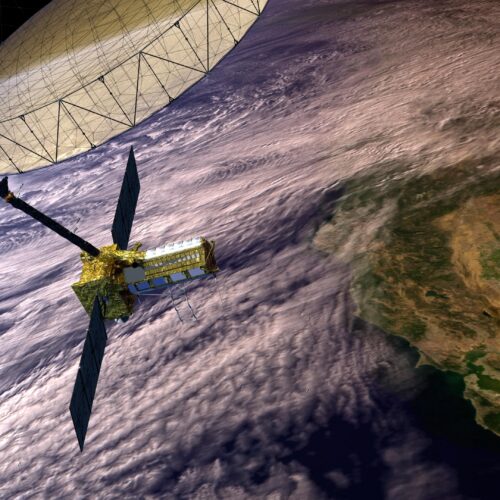
Mystery GPS jammer in Iran becomes test for NASA satellites’ capabilities
NASA science satellites show dual use in locating sources of GPS interference.
Signal weather
Momentum is building quickly, so this card is a good early entry point into the topic.
Why now
Fresh coverage with immediate momentum.

Mina the Hollower is the best old-school action adventure I've played in a while
Smooth movement, compelling combat, and tons of secrets make for an innovative throwback.
Signal weather
Momentum is building quickly, so this card is a good early entry point into the topic.
Why now
Fresh coverage with immediate momentum.

Nvidia bets $150B on Taiwan as Trump's plan to make US an AI hub backfires
Nvidia will invest $150 billion a year to make Taiwan an AI “epicenter.”
Signal weather
Momentum is building quickly, so this card is a good early entry point into the topic.
Why now
Fresh coverage with immediate momentum.
More from Ars Technica
Fresh reporting and follow-up coverage from the same newsroom.
Forecasters predict below-average hurricane season, advise against complacency
Forecasters say expected El Niño should temper hurricanes in Atlantic, urge preparedness.
Signal weather
Momentum is building quickly, so this card is a good early entry point into the topic.
Why now
Fresh coverage with immediate momentum.

California defeats Tesla's attempt to throw out racial discrimination lawsuit
California civil rights agency hails win over Tesla, anticipates trial in July.
Signal weather
Momentum is building quickly, so this card is a good early entry point into the topic.
Why now
Fresh coverage with immediate momentum.

Websites have a new way to spy on visitors: Analyzing their SSD activity
Telltale SSD activity can be measured in the browser using simple JavaScript.
Signal weather
Momentum is building quickly, so this card is a good early entry point into the topic.
Why now
Fresh coverage with immediate momentum.
Mystery GPS jammer in Iran becomes test for NASA satellites’ capabilities
NASA science satellites show dual use in locating sources of GPS interference.
Signal weather
Momentum is building quickly, so this card is a good early entry point into the topic.
Why now
Fresh coverage with immediate momentum.