Roku OS’s home screen now features a large, permanent ad
“I don't want recommendations! I know what I want to watch."
Signal weather
Rising
Momentum is building quickly, so this card is a good early entry point into the topic.
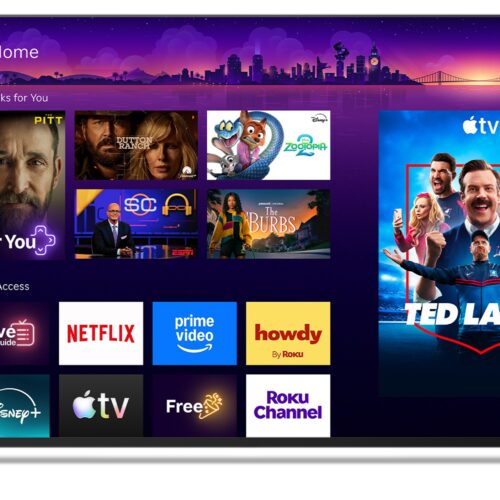
Roku just unveiled the biggest overhaul to its smart TV operating system (OS) in 10 years. One of the most noticeable differences is that ad space now takes up a large chunk of the screen’s landing page. Before the update, loading up a Roku OS-powered smart TV or streaming device would yield a menu on the left side with sections including “What to Watch,” “Live,” and “Search.” The right side had a row of tiles for “Recommended” content above several rows of tiles representing downloaded apps. Once a user started started navigating the home screen, the menu would collapse, and they'd see a large ad on the right side of the screen. The old Roku OS landing page before the ad is visible. Credit: Roku Read full article Comments
Stay on the signal
Follow Roku OS’s home screen now features a large, permanent ad
Follow this story beyond a single article: new follow-ups, adjacent sources, and the evolving storyline.
Story map
Understand this topic fast
A quick entry into the story: why it matters now, who is involved, and where to go next for context.
Why it matters now
Topic constellation
Open the live map for this story
See which entities, story threads, sources, and follow-up articles shape this story right now.
Click nodes to continue
Entity pages
Story timeline
Continue with this story
A short sequence of events and follow-up stories to understand the arc quickly.
How reliable this looks
Signal and trust for Ars Technica
This source works at a rapid pace: 100% of recent stories land in the hot window, and 0% carry visible search signal.
Reliability
92
Freshness
100
Sources in storyline
1
Related articles
More stories that share tags, source, or category context.
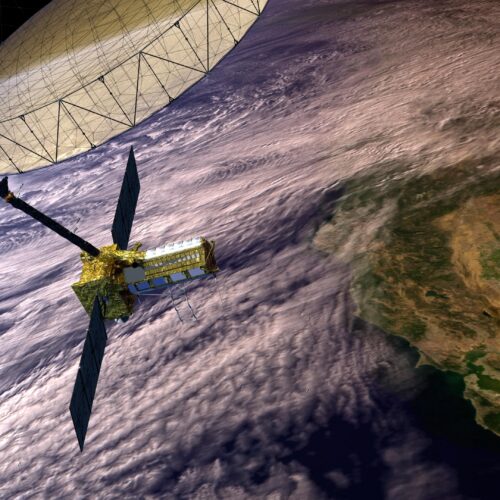
Mystery GPS jammer in Iran becomes test for NASA satellites’ capabilities
NASA science satellites show dual use in locating sources of GPS interference.
Signal weather
Momentum is building quickly, so this card is a good early entry point into the topic.
Why now
Fresh coverage with immediate momentum.
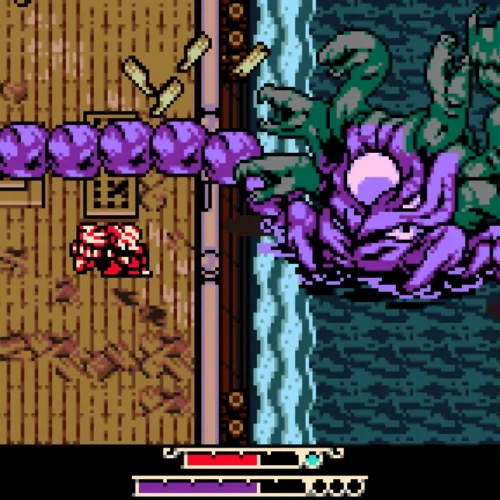
Mina the Hollower is the best old-school action adventure I've played in a while
Smooth movement, compelling combat, and tons of secrets make for an innovative throwback.
Signal weather
Momentum is building quickly, so this card is a good early entry point into the topic.
Why now
Fresh coverage with immediate momentum.
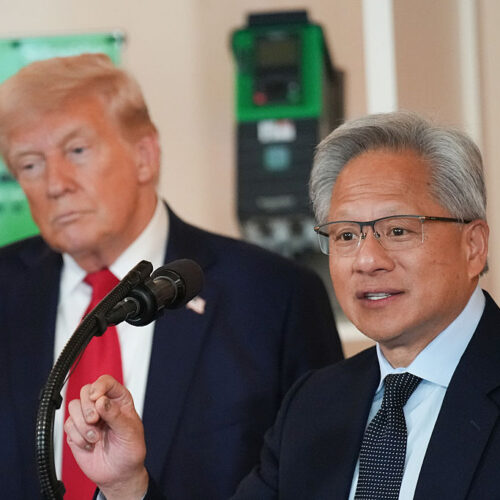
Nvidia bets $150B on Taiwan as Trump's plan to make US an AI hub backfires
Nvidia will invest $150 billion a year to make Taiwan an AI “epicenter.”
Signal weather
Momentum is building quickly, so this card is a good early entry point into the topic.
Why now
Fresh coverage with immediate momentum.
Valve's Steam Deck is back in stock after months, but you won't like it
Four-year-old handheld is saddled with an unfortunately modern price tag.
Signal weather
Momentum is building quickly, so this card is a good early entry point into the topic.
Why now
Fresh coverage with immediate momentum.
More from Ars Technica
Fresh reporting and follow-up coverage from the same newsroom.
Websites have a new way to spy on visitors: analyzing their SSD activity
Telltale SSD activity can be measured in the browser using simple JavaScript.
Signal weather
Momentum is building quickly, so this card is a good early entry point into the topic.
Why now
Fresh coverage with immediate momentum.
Mystery GPS jammer in Iran becomes test for NASA satellites’ capabilities
NASA science satellites show dual use in locating sources of GPS interference.
Signal weather
Momentum is building quickly, so this card is a good early entry point into the topic.
Why now
Fresh coverage with immediate momentum.
Mina the Hollower is the best old-school action adventure I've played in a while
Smooth movement, compelling combat, and tons of secrets make for an innovative throwback.
Signal weather
Momentum is building quickly, so this card is a good early entry point into the topic.
Why now
Fresh coverage with immediate momentum.
Nvidia bets $150B on Taiwan as Trump's plan to make US an AI hub backfires
Nvidia will invest $150 billion a year to make Taiwan an AI “epicenter.”
Signal weather
Momentum is building quickly, so this card is a good early entry point into the topic.
Why now
Fresh coverage with immediate momentum.