Artemis II, NASA's boldest mission in generations, launches crew to the Moon
Liftoff of Artemis II with four astronauts occurred at 6:35 pm EDT (22:35 UTC) on Wednesday.
Signal weather
Stable
The story has moved beyond the first headline and now acts as a reliable context anchor.
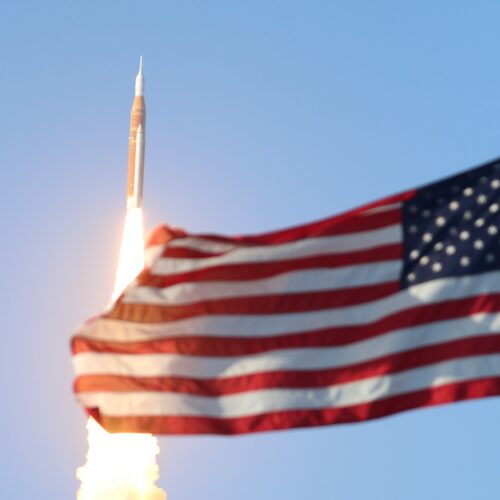
KENNEDY SPACE CENTER, Fla.—Three Americans and one Canadian launched into orbit from Florida's Space Coast on Wednesday, flying the most powerful rocket ridden by humans on the first leg of a nine-day voyage around the Moon. Perched atop the 322-foot-tall (98-meter) Space Launch System rocket, the four astronauts lifted off from NASA's Kennedy Space Center at 6:35 pm EDT (22:35 UTC). Four hydrogen-fueled RS-25 engines and two solid rocket boosters flashed to life to push the nearly 6 million-pound rocket from its moorings at Launch Complex 39B. The engines and boosters collectively generated 8.8 million pounds of thrust, outclassing NASA's Saturn V rocket used for Apollo lunar missions. Read full article Comments
Stay on the signal
Follow Artemis II, NASA's boldest mission in generations, launches crew to the Moon
Follow this story beyond a single article: new follow-ups, adjacent sources, and the evolving storyline.
Story map
Understand this topic fast
A quick entry into the story: why it matters now, who is involved, and where to go next for context.
Why it matters now
Topic constellation
Open the live map for this story
See which entities, story threads, sources, and follow-up articles shape this story right now.
Click nodes to continue
Entity pages
Story timeline
Continue with this story
A short sequence of events and follow-up stories to understand the arc quickly.
How reliable this looks
Signal and trust for Ars Technica
This source works at a rapid pace: 100% of recent stories land in the hot window, and 0% carry visible search signal.
Reliability
92
Freshness
100
Sources in storyline
2
Related articles
More stories that share tags, source, or category context.
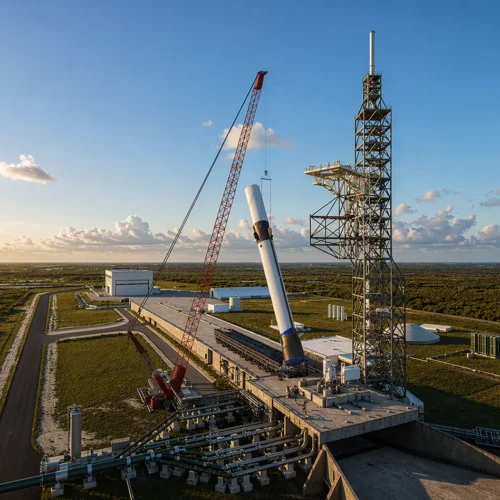
NASA chief praises progress Blue Origin is making after launch failure
"We've got time into 2027 before we're getting nervous."
Signal weather
Momentum is building quickly, so this card is a good early entry point into the topic.
Why now
Fresh coverage with immediate momentum.
NASA построила сверхзвуковой самолёт-франкенштейн из кусков старых истребителей… и заставила его летать тихо
Шасси от F-16, ручка от F-117, кабина от Т-38… Для чего это нужно?
Signal weather
Momentum is building quickly, so this card is a good early entry point into the topic.
Why now
Fresh coverage with immediate momentum.
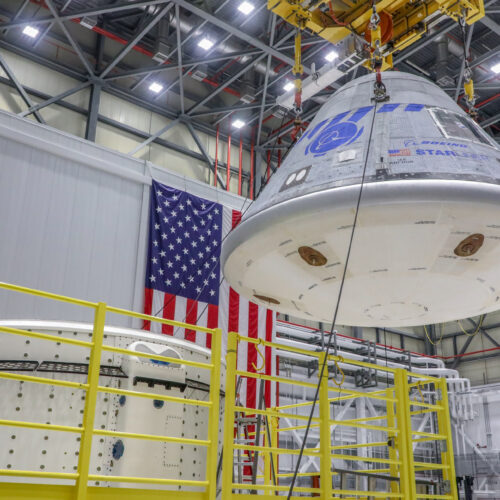
NASA inspector general suggests Boeing's Starliner will now be a decade late
Starliner's certification may be delayed to 2027, 10 years later than Boeing's original schedule.
Signal weather
Momentum is building quickly, so this card is a good early entry point into the topic.
Why now
Fresh coverage with immediate momentum.
Луна и Марс ждут. У тысяч мелких заводов NASA денег на это нет. Теперь на помощь пришли частные инвестфонды
NASA и SBA запускают новую схему: частный капитал в обмен на критически важные космические технологии.
Signal weather
Momentum is building quickly, so this card is a good early entry point into the topic.
Why now
Fresh coverage with immediate momentum.
More from Ars Technica
Fresh reporting and follow-up coverage from the same newsroom.

T-Mobile moving tens of thousands of virtual machines off VMware amid lawsuit
T-Mobile wants Broadcom to keep supporting its VMware perpetual licenses.
Signal weather
Momentum is building quickly, so this card is a good early entry point into the topic.
Why now
Fresh coverage with immediate momentum.
NASA chief praises progress Blue Origin is making after launch failure
"We've got time into 2027 before we're getting nervous."
Signal weather
Momentum is building quickly, so this card is a good early entry point into the topic.
Why now
Fresh coverage with immediate momentum.
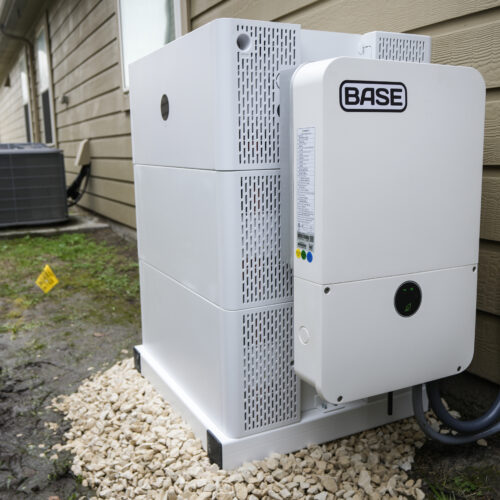
US home battery installations hit record high on rising electricity costs
Record home battery installations unlock options for grids—and AI data centers.
Signal weather
Momentum is building quickly, so this card is a good early entry point into the topic.
Why now
Fresh coverage with immediate momentum.
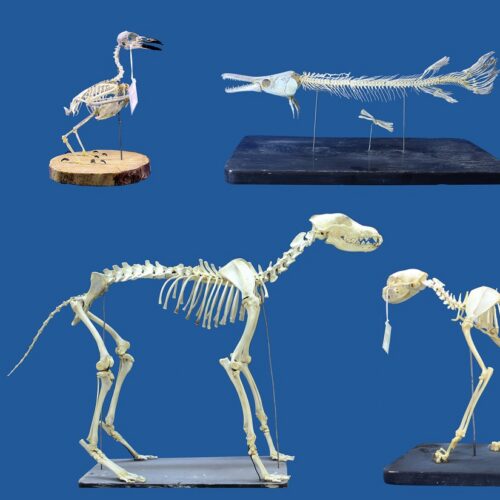
Superworms could replace beetles for cleaning skeletal remains
An optimal ratio of 10-15 grams of larvae per gram of specimen minimized cleaning time with no bone damage.
Signal weather
Momentum is building quickly, so this card is a good early entry point into the topic.
Why now
Fresh coverage with immediate momentum.