After a saga of broken promises, a European rover finally has a ride to Mars
Europe's first Mars rover mission is now on its fourth rocket: SpaceX's Falcon Heavy
Signal weather
Stable
The story has moved beyond the first headline and now acts as a reliable context anchor.
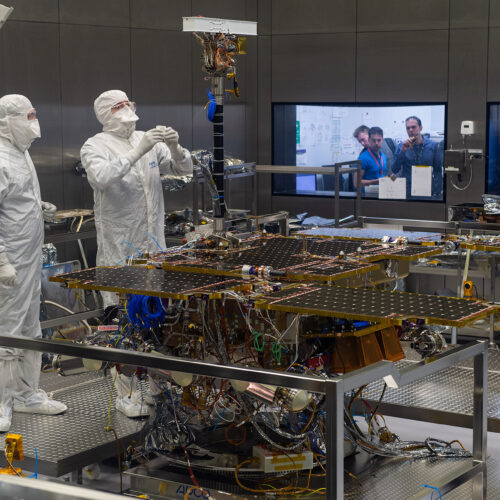
NASA confirmed Thursday that SpaceX will launch the European Space Agency's Rosalind Franklin Mars rover, perhaps as soon as late 2028, on a Falcon Heavy rocket from Kennedy Space Center, Florida. So why is NASA deciding which rocket will launch a flagship European Mars mission? It's a long story involving the search for extraterrestrial life, crippling political hatchets, and of all things, Russia's invasion of Ukraine. You can trace the history of Europe's Rosalind Franklin mission back nearly a quarter-century. A few years after NASA landed its first rover on Mars in 1997, the European Space Agency came up with a plan to send its own mobile robot to the red planet. The European rover was part of a program named Aurora, and officials hoped to launch it in 2009. Russia would have supplied a Soyuz rocket to send the rover on its way. Read full article Comments
Stay on the signal
Follow After a saga of broken promises, a European rover finally has a ride to Mars
Follow this story beyond a single article: new follow-ups, adjacent sources, and the evolving storyline.
Story map
Understand this topic fast
A quick entry into the story: why it matters now, who is involved, and where to go next for context.
Why it matters now
Topic constellation
Open the live map for this story
See which entities, story threads, sources, and follow-up articles shape this story right now.
Click nodes to continue
Story timeline
Continue with this story
A short sequence of events and follow-up stories to understand the arc quickly.
How reliable this looks
Signal and trust for Ars Technica
This source works at a rapid pace: 100% of recent stories land in the hot window, and 0% carry visible search signal.
Reliability
92
Freshness
100
Sources in storyline
4
Related articles
More stories that share tags, source, or category context.
Google will pay SpaceX $920M per month for compute
Comments
Signal weather
Momentum is building quickly, so this card is a good early entry point into the topic.
Why now
Fresh coverage with immediate momentum.
S&P 500 rejects SpaceX, also blocking entry for OpenAI and Anthropic
Comments
Signal weather
Momentum is building quickly, so this card is a good early entry point into the topic.
Why now
Fresh coverage with immediate momentum.
Google to pay SpaceX $920M a month for compute capacity at xAI data centers
Comments
Signal weather
Momentum is building quickly, so this card is a good early entry point into the topic.
Why now
Fresh coverage with immediate momentum.
Dutch gov't will only allow European company to operate DigiD platform
Comments
Signal weather
Momentum is building quickly, so this card is a good early entry point into the topic.
Why now
Fresh coverage with immediate momentum.
More from Ars Technica
Fresh reporting and follow-up coverage from the same newsroom.
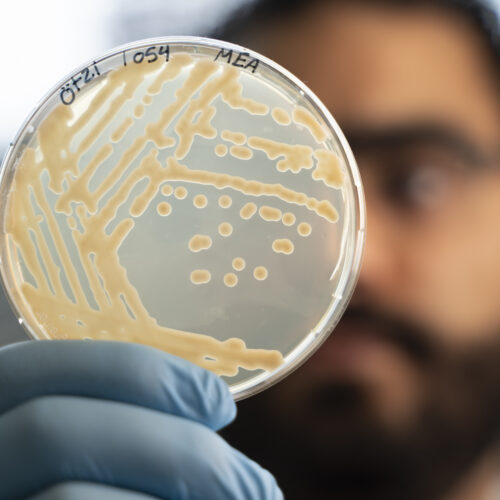
Some ancient microbes frozen with Ötzi the Iceman are still growing
What’s the difference between a person, an artifact, and an ecosystem?
Signal weather
Momentum is building quickly, so this card is a good early entry point into the topic.
Why now
Fresh coverage with immediate momentum.

Baby botulism outbreak: FDA still doesn't know cause—or how to prevent it
In the end, the three companies involved all point the finger at each other.
Signal weather
Momentum is building quickly, so this card is a good early entry point into the topic.
Why now
Fresh coverage with immediate momentum.
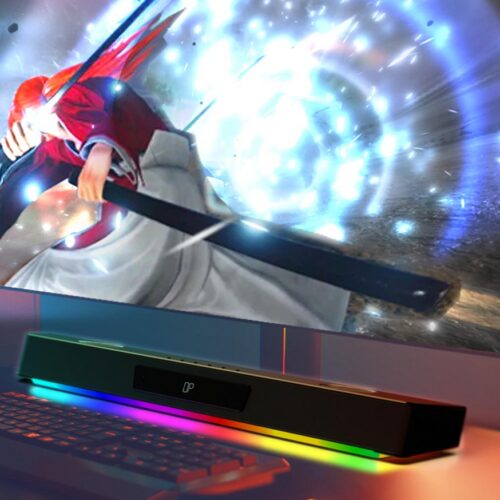
How a USB-connected speaker can infect a PC without ever being touched
Seller of the Sound Blaster Katana V2X doesn't consider the behavior a vulnerability.
Signal weather
Momentum is building quickly, so this card is a good early entry point into the topic.
Why now
Fresh coverage with immediate momentum.

Small modular nuclear reactor reaches criticality in first test
The reactor, from a startup called Antares, isn't ready to generate power yet.
Signal weather
Momentum is building quickly, so this card is a good early entry point into the topic.
Why now
Fresh coverage with immediate momentum.