A promising Indian launch startup nears its first orbital test flight
"We wanted to get to an orbital launch vehicle in a few years."
Signal weather
Stable
The story has moved beyond the first headline and now acts as a reliable context anchor.
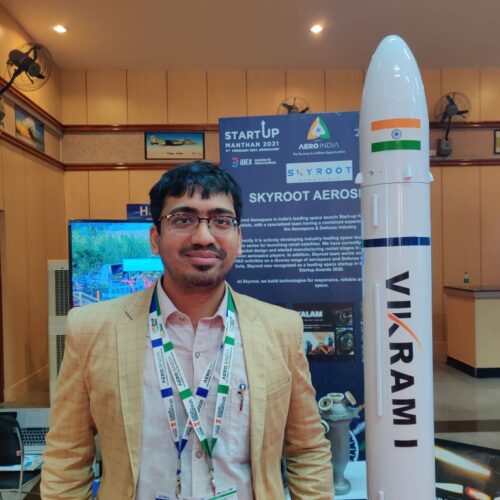
After decades of controlling all aspects of spaceflight, the Indian government decided in 2020 to open things up to private industry. Essentially, the government said, companies could build their own rockets, obtain permission to launch them, and even use state-operated facilities. The government and the country's space agency, ISRO, instituted this change in response to the rise of commercial space industries in the United States, and later China, that were playing an increasingly important role in global spaceflight. Now, six years later, this structural shift is beginning to bear some fruit. The most promising Indian launch company, Skyroot Aerospace, is nearing the pad with its first orbital rocket. Read full article Comments
Stay on the signal
Follow A promising Indian launch startup nears its first orbital test flight
Follow this story beyond a single article: new follow-ups, adjacent sources, and the evolving storyline.
Story map
Understand this topic fast
A quick entry into the story: why it matters now, who is involved, and where to go next for context.
Why it matters now
Topic constellation
Open the live map for this story
See which entities, story threads, sources, and follow-up articles shape this story right now.
Click nodes to continue
Entity pages
Story timeline
Continue with this story
A short sequence of events and follow-up stories to understand the arc quickly.
How reliable this looks
Signal and trust for Ars Technica
This source works at a rapid pace: 100% of recent stories land in the hot window, and 0% carry visible search signal.
Reliability
92
Freshness
100
Sources in storyline
2
Related articles
More stories that share tags, source, or category context.
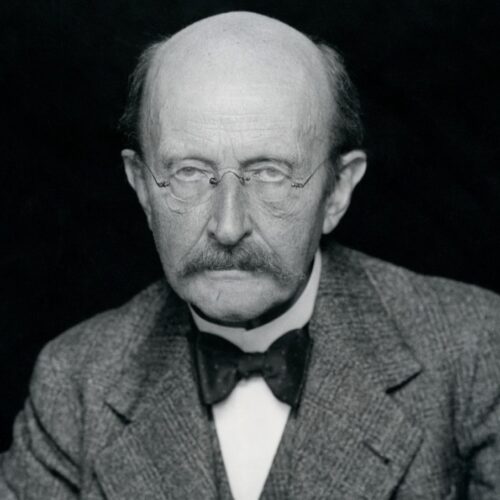
Why did this journal retract two 1940s papers by Max Planck?
Clicking on the links now reveals blank pages and empty PDFs. "Intellectually, it’s not acceptable.”
Signal weather
Momentum is building quickly, so this card is a good early entry point into the topic.
Why now
Fresh coverage with immediate momentum.
Indian payments chief thinks AI will be heavily involved in next era of digital payment growth
Dilip Asbe said that newer UPI apps could be more competitive with a viable commercial model
Signal weather
Momentum is building quickly, so this card is a good early entry point into the topic.
Why now
Fresh coverage with immediate momentum.
SoftBank’s CEO isn’t the only one with questions about Elon Musk’s orbital data center hype
Not everyone is buying Elon Musk’s vision for orbital data centers.
Signal weather
Momentum is building quickly, so this card is a good early entry point into the topic.
Why now
Fresh coverage with immediate momentum.

Apple and Audi alumni have made a luxe EV based on the moon buggy
The Amble One is a street-legal $25,000 electric buggy designed for luxury resorts.
Signal weather
Momentum is building quickly, so this card is a good early entry point into the topic.
Why now
Fresh coverage with immediate momentum.
More from Ars Technica
Fresh reporting and follow-up coverage from the same newsroom.
Why did this journal retract two 1940s papers by Max Planck?
Clicking on the links now reveals blank pages and empty PDFs. "Intellectually, it’s not acceptable.”
Signal weather
Momentum is building quickly, so this card is a good early entry point into the topic.
Why now
Fresh coverage with immediate momentum.
Apple and Audi alumni have made a luxe EV based on the moon buggy
The Amble One is a street-legal $25,000 electric buggy designed for luxury resorts.
Signal weather
Momentum is building quickly, so this card is a good early entry point into the topic.
Why now
Fresh coverage with immediate momentum.
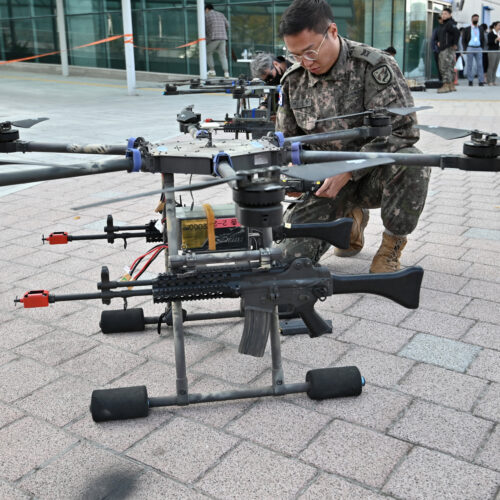
South Korea plans to train entire military as "drone warriors"
Half-million strong military will train on drones as “universal combat tool.”
Signal weather
Momentum is building quickly, so this card is a good early entry point into the topic.
Why now
Fresh coverage with immediate momentum.
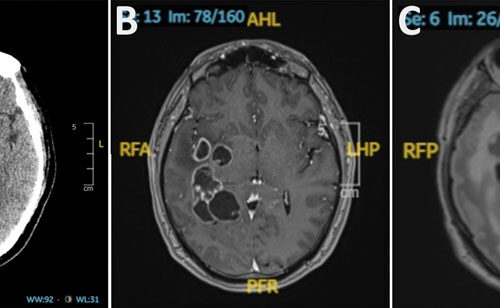
Doctors suspected man had brain cancer. He actually had worms.
His doctors went looking for cancer, then they saw the worms' heads.
Signal weather
Momentum is building quickly, so this card is a good early entry point into the topic.
Why now
Fresh coverage with immediate momentum.