A mission NASA might kill is still returning fascinating science from Jupiter
"We can’t quite afford to support everything that we have done in the past."
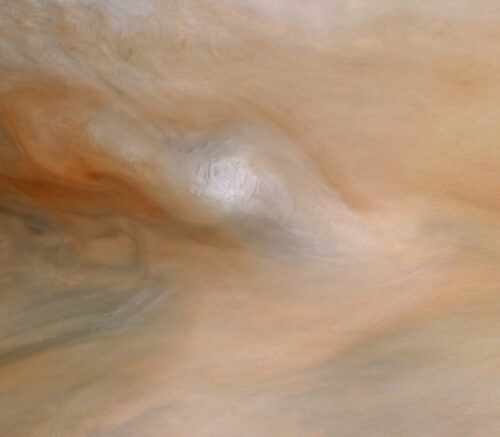
Jupiter's colossal storms generate lightning flashes at least 100 times more powerful than those on Earth, according to scientists analyzing data from NASA's Juno spacecraft. The findings were published March 20 in the journal AGU Advances. Researchers used data recorded by Juno in 2021 and 2022, after NASA granted an extension to the spacecraft's operations upon completing a five-year science campaign at Jupiter. Juno remains in good health, but NASA officials have not said if they will approve another extension for the mission. The issue is money. Questions about the future of Juno and more than a dozen other robotic science missions began swirling nearly a year ago, when the Trump administration asked mission leaders to submit "closeout" plans for how to turn off their spacecraft. Ars first reported the news soon after the White House released a budget request that called for slashing NASA's science budget by nearly half.Read full article Comments
Связанные теги
Сущности
Связанные кластеры
Рекламный слот
Article monetization slot
Reserved for contextual monetization inside article pages.
Похожие статьи
Еще материалы, которые пересекаются по тегам, источнику или категории.

Trump's MAHA pick for surgeon general flounders amid GOP doubts
She stalled over MAHA woo-woo, anti-vaccine views, and lacking medical background.

Nvidia CEO tries to explain why DLSS 5 isn’t just “AI slop”
If game makers don’t like it, “they could decide not to use it, you know?"

After hackers hit an Iowa company, cars around the country failed to start
If you don't calibrate your interlock in time, your vehicle is dead.
US to pay TotalEnergies $1 billion to stop developing offshore wind in US
Payment reimburses the company for two leases, one for a massive 3 GW wind farm.