Ukraine's one-time test used fully autonomous drones to kill Russian soldiers
Full autonomy is rare, but Ukraine is installing AI modules on drones and robots.
Signal weather
Rising
Momentum is building quickly, so this card is a good early entry point into the topic.
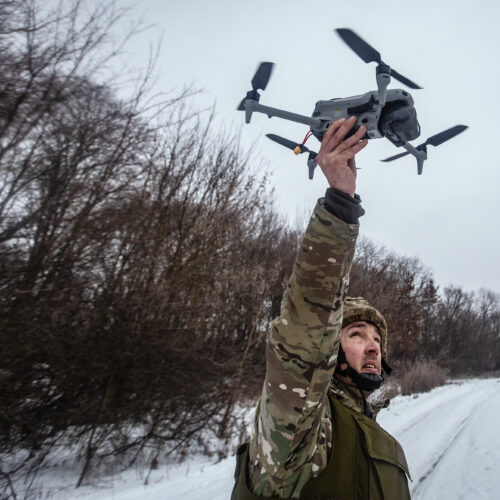
Fully autonomous drones killed Russian soldiers during a battlefield test two years ago, according to a Ukrainian drone manufacturer. If true, the incident would represent another milestone in a war that has spurred unprecedented developments in military drones, robots, and AI-guided weaponry. The one-time test was revealed by Alexander Kokhanovskyy, CEO of the Ukrainian drone maker Aero Center, during an interview with New Scientist at a press event hosted by the Ukrainian embassy in London. Kokhanovskyy described the test using quadcopter drones that were preprogrammed to fly to a front-line area before activating an AI-powered “Terminator mode” that would seek out and attack any target in the given area. There was apparently no video feed or anything else to show what the “Terminator” drones targeted and attacked. But Kokhanovskyy told New Scientist that human-piloted drones sent to check out the aftermath found “a couple” of dead Russian soldiers, which led to the conclusion that the fully autonomous drones had killed them. Read full article Comments
Stay on the signal
Follow Ukraine's one-time test used fully autonomous drones to kill Russian soldiers
Follow this story beyond a single article: new follow-ups, adjacent sources, and the evolving storyline.
Story map
Understand this topic fast
A quick entry into the story: why it matters now, who is involved, and where to go next for context.
Why it matters now
Topic constellation
Open the live map for this story
See which entities, story threads, sources, and follow-up articles shape this story right now.
Click nodes to continue
Entity pages
Story timeline
Continue with this story
A short sequence of events and follow-up stories to understand the arc quickly.
How reliable this looks
Signal and trust for Ars Technica
This source works at a rapid pace: 100% of recent stories land in the hot window, and 0% carry visible search signal.
Reliability
92
Freshness
100
Sources in storyline
1
Related articles
More stories that share tags, source, or category context.

PeopleSoft 0-day affecting hundreds of organizations steals gigabytes of data
Vulnerability in the Oracle-owned PeopleSoft software is about as critical as they come.
Signal weather
Momentum is building quickly, so this card is a good early entry point into the topic.
Why now
Fresh coverage with immediate momentum.

Controversial FISA spying law expires tonight. The spying will continue.
Section 702 of FISA to expire tonight, but certification lasts until March 2027.
Signal weather
Momentum is building quickly, so this card is a good early entry point into the topic.
Why now
Fresh coverage with immediate momentum.
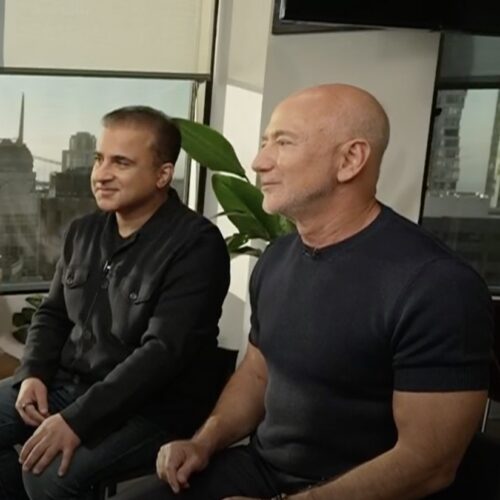
Here's what Jeff Bezos' new startup Prometheus will do
It isn't the only startup tackling physical AI, but it's one of the best-funded.
Signal weather
Momentum is building quickly, so this card is a good early entry point into the topic.
Why now
Fresh coverage with immediate momentum.
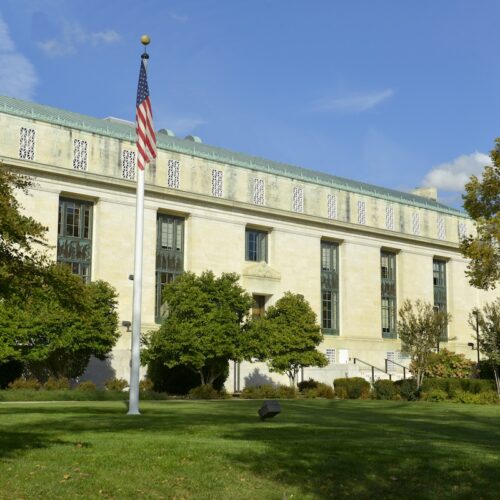
Have politics finally come for the National Academies of Science?
A pending report on climate attribution may be setting the stage for conflict.
Signal weather
Momentum is building quickly, so this card is a good early entry point into the topic.
Why now
Fresh coverage with immediate momentum.
More from Ars Technica
Fresh reporting and follow-up coverage from the same newsroom.
PeopleSoft 0-day affecting hundreds of organizations steals gigabytes of data
Vulnerability in the Oracle-owned PeopleSoft software is about as critical as they come.
Signal weather
Momentum is building quickly, so this card is a good early entry point into the topic.
Why now
Fresh coverage with immediate momentum.
Controversial FISA spying law expires tonight. The spying will continue.
Section 702 of FISA to expire tonight, but certification lasts until March 2027.
Signal weather
Momentum is building quickly, so this card is a good early entry point into the topic.
Why now
Fresh coverage with immediate momentum.
Here's what Jeff Bezos' new startup Prometheus will do
It isn't the only startup tackling physical AI, but it's one of the best-funded.
Signal weather
Momentum is building quickly, so this card is a good early entry point into the topic.
Why now
Fresh coverage with immediate momentum.
Have politics finally come for the National Academies of Science?
A pending report on climate attribution may be setting the stage for conflict.
Signal weather
Momentum is building quickly, so this card is a good early entry point into the topic.
Why now
Fresh coverage with immediate momentum.