Two AI-based science assistants succeed with drug-retargeting tasks
Both tools generate hypotheses; one goes on to analyze some of the data.
Signal weather
Stable
The story has moved beyond the first headline and now acts as a reliable context anchor.
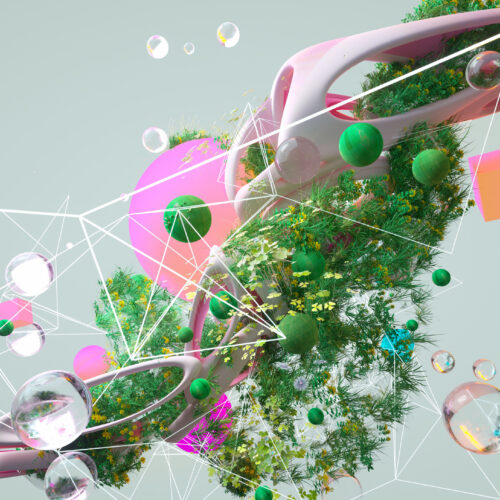
On Tuesday, Nature released two papers describing AI systems intended to help scientists develop and test hypotheses. One, Google's Co-Scientist, is designed as what they term "scientist in the loop," meaning researchers are regularly applying their judgments to direct the system. The second, from a nonprofit called FutureHouse, goes a step beyond and has trained a system that can evaluate biological data coming from some specific classes of experiments. While Google says its system will also work for physics, both groups exclusively present biological data, and largely straightforward hypotheses—this drug will work for that. So, this is not an attempt to replace either scientists or the scientific process. Instead, it's meant to help with what current AIs are best at: chewing through massive amounts of information that humans would struggle to come to grips with. What's this good for? There are some distinctions between the two systems, but both are what is termed agentic; they operate in the background by calling out to separate tools. (Microsoft has taken a similar approach with its science assistant as well; OpenAI seems to be an exception in that it simply tuned an LLM for biology.) And, while there are differences between them that we'll highlight, they are both focused on the same general issue: the utter profusion of scientific information. Read full article Comments
Stay on the signal
Follow Two AI-based science assistants succeed with drug-retargeting tasks
Follow this story beyond a single article: new follow-ups, adjacent sources, and the evolving storyline.
Story map
Understand this topic fast
A quick entry into the story: why it matters now, who is involved, and where to go next for context.
Why it matters now
Topic constellation
Open the live map for this story
See which entities, story threads, sources, and follow-up articles shape this story right now.
Click nodes to continue
Entity pages
Story timeline
Continue with this story
A short sequence of events and follow-up stories to understand the arc quickly.
How reliable this looks
Signal and trust for Ars Technica
This source works at a rapid pace: 100% of recent stories land in the hot window, and 0% carry visible search signal.
Reliability
92
Freshness
100
Sources in storyline
1
Related articles
More stories that share tags, source, or category context.
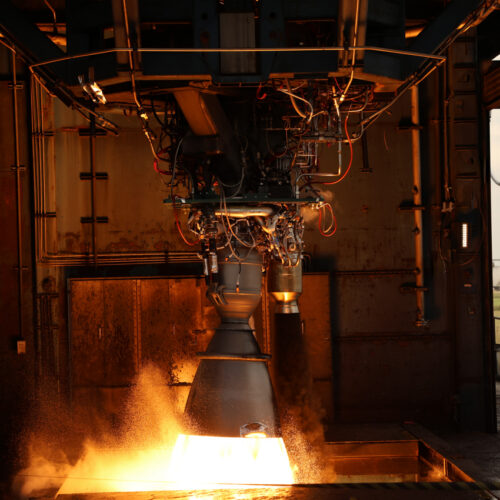
Rocket Report: Indian startup nears first launch; SpaceX's millenary milestone
NASA awarded Rocket Lab deals for three dedicated launches using the company's Electron rocket.
Signal weather
Momentum is building quickly, so this card is a good early entry point into the topic.
Why now
Fresh coverage with immediate momentum.

Inside the Luddite festival harnessing Gen Z’s rage against Big Tech
New York City’s Summer of Ludd festival is teaching people how to live offline.
Signal weather
Momentum is building quickly, so this card is a good early entry point into the topic.
Why now
Fresh coverage with immediate momentum.
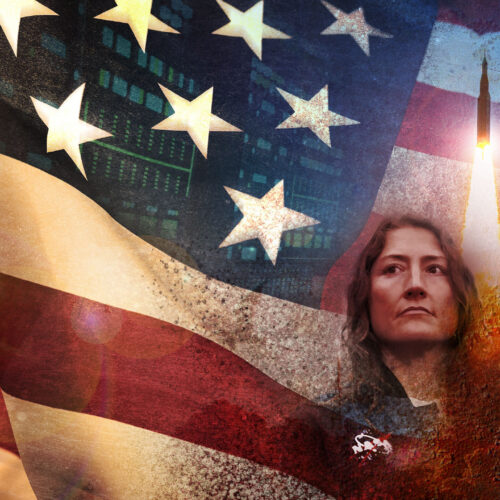
Despite the darkness, I still see signs of hope in America
It's difficult to pinpoint the moment in my life where America started to lose the plot.
Signal weather
Momentum is building quickly, so this card is a good early entry point into the topic.
Why now
Fresh coverage with immediate momentum.

Visiting the stars (and planets, and telescopes) in VR
Walkthrough experience includes visits to stars, exoplanets, and observatories.
Signal weather
Momentum is building quickly, so this card is a good early entry point into the topic.
Why now
Fresh coverage with immediate momentum.
More from Ars Technica
Fresh reporting and follow-up coverage from the same newsroom.
Rocket Report: Indian startup nears first launch; SpaceX's millenary milestone
NASA awarded Rocket Lab deals for three dedicated launches using the company's Electron rocket.
Signal weather
Momentum is building quickly, so this card is a good early entry point into the topic.
Why now
Fresh coverage with immediate momentum.
Inside the Luddite festival harnessing Gen Z’s rage against Big Tech
New York City’s Summer of Ludd festival is teaching people how to live offline.
Signal weather
Momentum is building quickly, so this card is a good early entry point into the topic.
Why now
Fresh coverage with immediate momentum.
Despite the darkness, I still see signs of hope in America
It's difficult to pinpoint the moment in my life where America started to lose the plot.
Signal weather
Momentum is building quickly, so this card is a good early entry point into the topic.
Why now
Fresh coverage with immediate momentum.
Visiting the stars (and planets, and telescopes) in VR
Walkthrough experience includes visits to stars, exoplanets, and observatories.
Signal weather
Momentum is building quickly, so this card is a good early entry point into the topic.
Why now
Fresh coverage with immediate momentum.