They call it stupid hot for a reason: Heat muddles animal brains
As temperatures rise, some creatures pick fights while others struggle to learn.
Signal weather
Rising
Momentum is building quickly, so this card is a good early entry point into the topic.
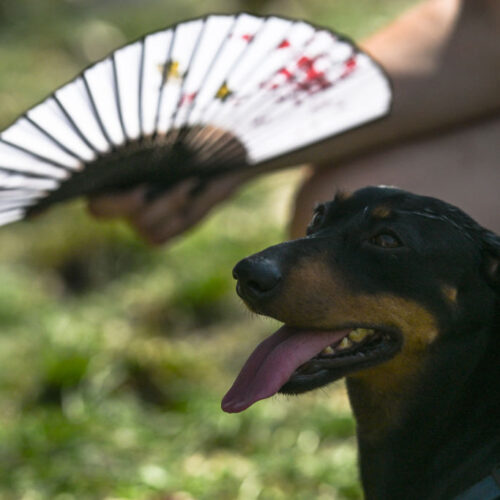
On a blazing hot day in South Africa, female southern pied babblers can’t think straight. The medium-sized black-and-white birds are trying to get at tasty mealworms behind a see-through barrier. On cooler days, the birds can quickly figure out that all they have to do is go around the small wall of plastic. But when the mercury goes up, the birds just keep stubbornly pecking at the barrier. That experiment is part of a growing body of research showing that animals get their minds muddled during heat waves. When it’s hot outside, birds struggle to learn, dogs bite more often, goat-like chamois pick fights. This is bad news not just for those who get on Fido’s toasted nerves. If the animals can’t stay alert enough to find food or avoid predators, their chances of survival go downhill, says Amanda Ridley, a behavioral ecologist at the University of Western Australia who coauthored the pied babbler study. With climate change making heat waves more common, such cognitive impairments across the animal kingdom could ripple through entire ecosystems, putting already fragile species at greater risk. If pollinators forget which flowers to visit, crops and wild plants may fail. If birds can’t find food as easily, their young may not survive. And on a warming planet, a sharp mind is particularly vital. “A changing climate means that your ability to behaviorally adapt is even more important,” Ridley says. Read full article Comments
Stay on the signal
Follow They call it stupid hot for a reason: Heat muddles animal brains
Follow this story beyond a single article: new follow-ups, adjacent sources, and the evolving storyline.
Story map
Understand this topic fast
A quick entry into the story: why it matters now, who is involved, and where to go next for context.
Why it matters now
Topic constellation
Open the live map for this story
See which entities, story threads, sources, and follow-up articles shape this story right now.
Click nodes to continue
Entity pages
Story timeline
Continue with this story
A short sequence of events and follow-up stories to understand the arc quickly.
How reliable this looks
Signal and trust for Ars Technica
This source works at a rapid pace: 100% of recent stories land in the hot window, and 0% carry visible search signal.
Reliability
92
Freshness
100
Sources in storyline
1
Related articles
More stories that share tags, source, or category context.

On its 40th anniversary, we reassess 1986's SpaceCamp
Is it a hidden gem, a cult classic, or hopelessly dumb? We vote "all of the above."
Signal weather
Momentum is building quickly, so this card is a good early entry point into the topic.
Why now
Fresh coverage with immediate momentum.
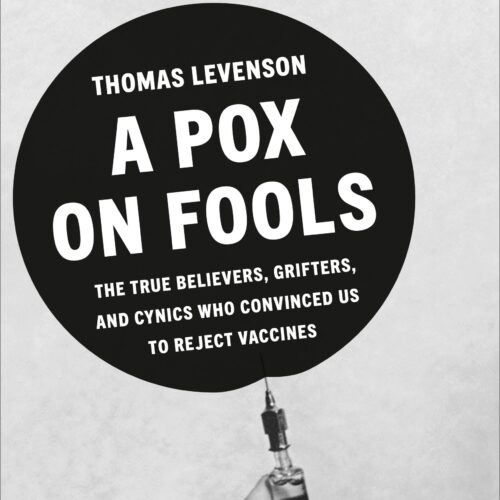
Grifters, cynics, and true believers: The family tree of vaccine opponents
A new book looks into the long history of people who have opposed vaccines.
Signal weather
Momentum is building quickly, so this card is a good early entry point into the topic.
Why now
Fresh coverage with immediate momentum.

Environmentalists turn out in force to oppose Trump coal ash rollbacks
Trump admin wants to rely on states for coal ash monitoring, enforcement, allow them to bypass national standards.
Signal weather
Momentum is building quickly, so this card is a good early entry point into the topic.
Why now
Fresh coverage with immediate momentum.

Proposed new US funding rules: We can cancel any grant at any time
Peer review now optional, political staff would screen grants for forbidden topics.
Signal weather
Momentum is building quickly, so this card is a good early entry point into the topic.
Why now
Fresh coverage with immediate momentum.
More from Ars Technica
Fresh reporting and follow-up coverage from the same newsroom.
On its 40th anniversary, we reassess 1986's SpaceCamp
Is it a hidden gem, a cult classic, or hopelessly dumb? We vote "all of the above."
Signal weather
Momentum is building quickly, so this card is a good early entry point into the topic.
Why now
Fresh coverage with immediate momentum.
Grifters, cynics, and true believers: The family tree of vaccine opponents
A new book looks into the long history of people who have opposed vaccines.
Signal weather
Momentum is building quickly, so this card is a good early entry point into the topic.
Why now
Fresh coverage with immediate momentum.
Environmentalists turn out in force to oppose Trump coal ash rollbacks
Trump admin wants to rely on states for coal ash monitoring, enforcement, allow them to bypass national standards.
Signal weather
Momentum is building quickly, so this card is a good early entry point into the topic.
Why now
Fresh coverage with immediate momentum.
Proposed new US funding rules: We can cancel any grant at any time
Peer review now optional, political staff would screen grants for forbidden topics.
Signal weather
Momentum is building quickly, so this card is a good early entry point into the topic.
Why now
Fresh coverage with immediate momentum.