Tests suggest Russian satellites can jam GPS on a continental scale
Mystery of GPS interference across Europe raises questions about Russian motives.
Signal weather
Rising
Momentum is building quickly, so this card is a good early entry point into the topic.
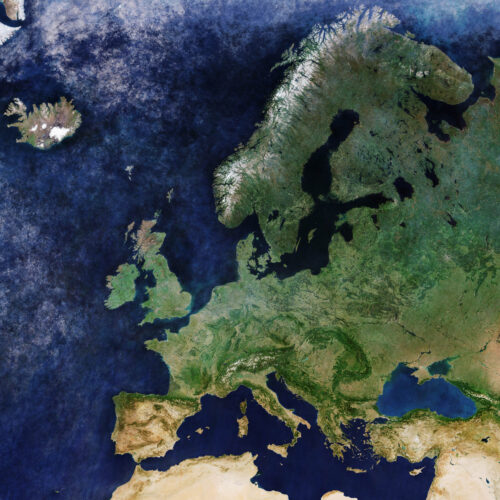
Russian satellites have been identified as the cause of mysterious, seconds-long bursts of GPS interference across Europe—a rare example of human-made GPS interference coming from space. But uncertainty still hangs over whether such interference is intentional and if it could be more powerfully weaponized as GPS jamming with continental reach in the future. The discovery came from an investigation detailed in a June 2 preprint paper by Todd Humphreys and his student Zach Clements at The University of Texas at Austin, along with Argyris Krizise at Stanford University in California. By sifting through public data from ground-based stations with global navigation satellite system (GNSS) receivers, they identified a pattern of high-powered interference lasting less than 10 seconds each time but simultaneously detectable by ground stations across Europe from Norway to Spain to Poland, and even reaching as far west as Greenland and Canada. By analyzing the ground station data from January 2019 to April 2026, the researchers found 75 days with at least one widespread GNSS interference event overlapping with the GPS L1 frequency band centered on 1575.42 megahertz. That represents the main band used for signal transmission by the US-made GPS satellite constellation and GNSS constellations from other countries. Read full article Comments
Stay on the signal
Follow Tests suggest Russian satellites can jam GPS on a continental scale
Follow this story beyond a single article: new follow-ups, adjacent sources, and the evolving storyline.
Story map
Understand this topic fast
A quick entry into the story: why it matters now, who is involved, and where to go next for context.
Why it matters now
Topic constellation
Open the live map for this story
See which entities, story threads, sources, and follow-up articles shape this story right now.
Click nodes to continue
Entity pages
Story timeline
Continue with this story
A short sequence of events and follow-up stories to understand the arc quickly.
How reliable this looks
Signal and trust for Ars Technica
This source works at a rapid pace: 100% of recent stories land in the hot window, and 0% carry visible search signal.
Reliability
92
Freshness
100
Sources in storyline
1
Related articles
More stories that share tags, source, or category context.
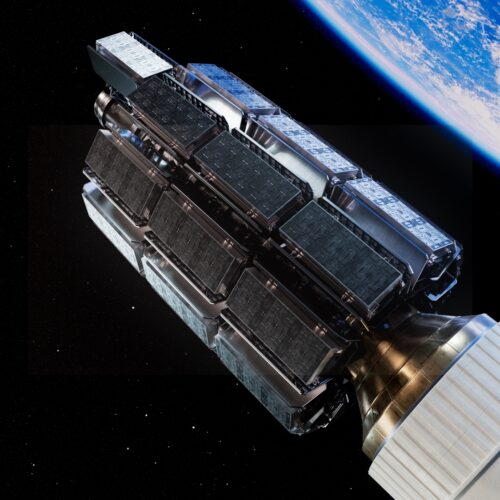
FCC lifts looming deadline for Amazon Leo satellite broadband constellation
The waiver "serves the public interest by promoting a second large satellite broadband constellation."
Signal weather
Momentum is building quickly, so this card is a good early entry point into the topic.
Why now
Fresh coverage with immediate momentum.
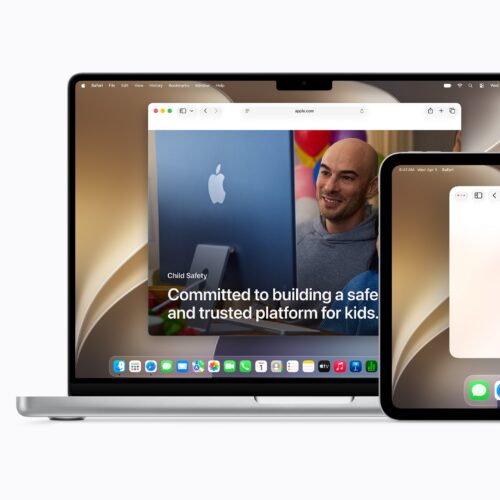
macOS 27 requires Apple Silicon, as Apple draws down the Intel Mac era
You'll need an M1 or better to run the next release of macOS.
Signal weather
Momentum is building quickly, so this card is a good early entry point into the topic.
Why now
Fresh coverage with immediate momentum.

iOS 27 and iPadOS 27 don't drop support for any iPhones—and just a few iPads
This promises to be a solid release for aging iPhones.
Signal weather
Momentum is building quickly, so this card is a good early entry point into the topic.
Why now
Fresh coverage with immediate momentum.
Meta alleges NSO violated spyware injunction with new WhatsApp attacks
WhatsApp disrupted spear phishing attempts, asks court to hold NSO in contempt.
Signal weather
Momentum is building quickly, so this card is a good early entry point into the topic.
Why now
Fresh coverage with immediate momentum.
More from Ars Technica
Fresh reporting and follow-up coverage from the same newsroom.
FCC lifts looming deadline for Amazon Leo satellite broadband constellation
The waiver "serves the public interest by promoting a second large satellite broadband constellation."
Signal weather
Momentum is building quickly, so this card is a good early entry point into the topic.
Why now
Fresh coverage with immediate momentum.
macOS 27 requires Apple Silicon, as Apple draws down the Intel Mac era
You'll need an M1 or better to run the next release of macOS.
Signal weather
Momentum is building quickly, so this card is a good early entry point into the topic.
Why now
Fresh coverage with immediate momentum.
iOS 27 and iPadOS 27 don't drop support for any iPhones—and just a few iPads
This promises to be a solid release for aging iPhones.
Signal weather
Momentum is building quickly, so this card is a good early entry point into the topic.
Why now
Fresh coverage with immediate momentum.
Meta alleges NSO violated spyware injunction with new WhatsApp attacks
WhatsApp disrupted spear phishing attempts, asks court to hold NSO in contempt.
Signal weather
Momentum is building quickly, so this card is a good early entry point into the topic.
Why now
Fresh coverage with immediate momentum.