Superworms could replace beetles for cleaning skeletal remains
An optimal ratio of 10-15 grams of larvae per gram of specimen minimized cleaning time with no bone damage.
Signal weather
Rising
Momentum is building quickly, so this card is a good early entry point into the topic.
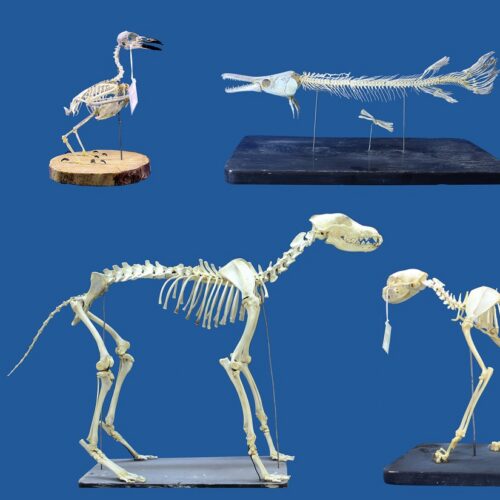
Fatemeh Rastekar, Niloofar Alaei Kakhki and Morteza Monfared discuss the safe and practical utility of superworm larvae for cleaning museum specimens. Credit: Anthony Lewis, PLOS/CC-BY 4.0 Fatemeh Rastekar, Niloofar Alaei Kakhki and Morteza Monfared discuss the safe and practical utility of superworm larvae for cleaning museum specimens. Credit: Anthony Lewis, PLOS/CC-BY 4.0 Preparing skeletal specimens for display in museums or for forensic studies requires the bones to be thoroughly cleaned to remove any remaining flesh or soft tissue. However, the need for thorough cleaning must be balanced against the risk of damaging the actual bones. According to a new paper published in the journal PLoS One, the larvae of so-called "superworms" (Zophobas morio)—a common pet food—offer a practical alternative. There are existing methods for cleaning skeletal remains, such as burial, digestive enzymes, or chemical treatments. But most have drawbacks, including damaging bones, taking a long time to process, having expensive operational costs, or the use of environmentally hazardous substances. Using dermestid beetles has become the preferred method for skeletal cleaning since they can efficiently remove soft tissue without damaging the bone. The downside is that without strict containment practices, the beetles can escape and lay eggs that hatch, leading to infestations that threaten museum collections. Fatemah Rastekar of Ferdowsi University of Mashhad in Iran and co-authors thought superworms might bring the same benefits as the beetles without the risk of infestation. For one thing, beetle colonies span all life stages and hence require complex containment; superworm cleaning only requires the larval stage, which lasts 10–12 weeks compared to just five to seven weeks for the beetles. And the larvae don't pupate in crowded conditions, so it's easier to manage the colonies while reducing the risk of escape. But could superworms match the cleaning efficiency of their rival beetles? Read full article Comments
Stay on the signal
Follow Superworms could replace beetles for cleaning skeletal remains
Follow this story beyond a single article: new follow-ups, adjacent sources, and the evolving storyline.
Story map
Understand this topic fast
A quick entry into the story: why it matters now, who is involved, and where to go next for context.
Why it matters now
Topic constellation
Open the live map for this story
See which entities, story threads, sources, and follow-up articles shape this story right now.
Click nodes to continue
Entity pages
Story timeline
Continue with this story
A short sequence of events and follow-up stories to understand the arc quickly.
How reliable this looks
Signal and trust for Ars Technica
This source works at a rapid pace: 100% of recent stories land in the hot window, and 0% carry visible search signal.
Reliability
92
Freshness
100
Sources in storyline
1
Related articles
More stories that share tags, source, or category context.

NASA chief praises progress Blue Origin is making after launch failure
"We've got time into 2027 before we're getting nervous."
Signal weather
Momentum is building quickly, so this card is a good early entry point into the topic.
Why now
Fresh coverage with immediate momentum.
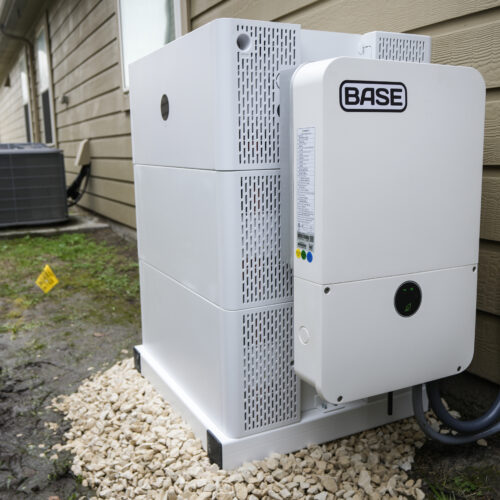
US home battery installations hit record high on rising electricity costs
Record home battery installations unlock options for grids—and AI data centers.
Signal weather
Momentum is building quickly, so this card is a good early entry point into the topic.
Why now
Fresh coverage with immediate momentum.
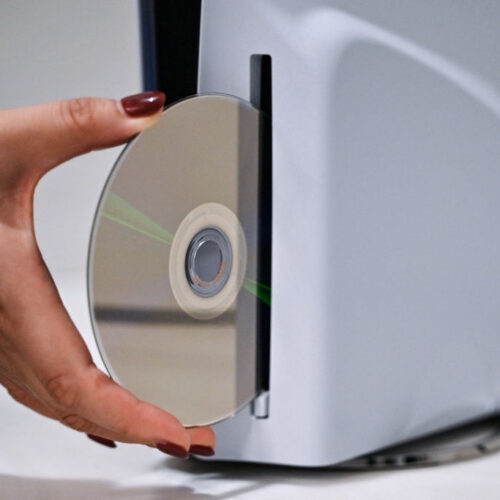
Sony announces end of PlayStation discs, parts of digital store in the same day
“We will own nothing, it's truly sad.”
Signal weather
Momentum is building quickly, so this card is a good early entry point into the topic.
Why now
Fresh coverage with immediate momentum.

Ithaca's king defies the gods in final The Odyssey trailer
"You gods don't speak in ways we understand."
Signal weather
Momentum is building quickly, so this card is a good early entry point into the topic.
Why now
Fresh coverage with immediate momentum.
More from Ars Technica
Fresh reporting and follow-up coverage from the same newsroom.
NASA chief praises progress Blue Origin is making after launch failure
"We've got time into 2027 before we're getting nervous."
Signal weather
Momentum is building quickly, so this card is a good early entry point into the topic.
Why now
Fresh coverage with immediate momentum.
US home battery installations hit record high on rising electricity costs
Record home battery installations unlock options for grids—and AI data centers.
Signal weather
Momentum is building quickly, so this card is a good early entry point into the topic.
Why now
Fresh coverage with immediate momentum.
Sony announces end of PlayStation discs, parts of digital store in the same day
“We will own nothing, it's truly sad.”
Signal weather
Momentum is building quickly, so this card is a good early entry point into the topic.
Why now
Fresh coverage with immediate momentum.

A good little EV you won't be able to buy soon: The Volvo EX30 Cross Country
Tariffs and anti-China policies killed this little Volvo in the United States.
Signal weather
Momentum is building quickly, so this card is a good early entry point into the topic.
Why now
Fresh coverage with immediate momentum.