Study: Infrasound likely a key factor in alleged hauntings
Low-frequency infrasound (below 20 Hz) can raise cortisol levels in saliva and increase irritability.
Signal weather
Stable
The story has moved beyond the first headline and now acts as a reliable context anchor.
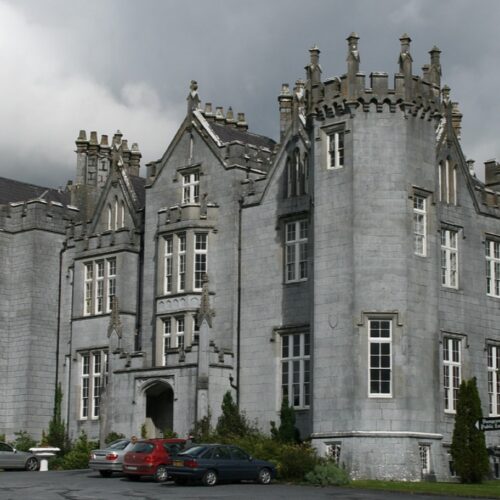
The next time you walk into a purportedly "haunted" house and sense a ghostly presence, consider that those feelings might be due to vibrating pipes, mechanical or climate control systems, rumbling from traffic, or wind turbines, rather than anything paranormal. That's the conclusion of a new paper published in the journal Frontiers in Behavioral Neuroscience. All of those are sources of infrasound. Scientists have long sought to find logical explanations for alleged hauntings. In 2003, for instance, University of Hertfordshire psychologist Richard Wiseman conducted two studies that investigated the psychological mechanisms underlying supposed "ghostly" activity. Subjects walked around Hampton Court Palace in Surrey, England, and the South Bridge Vaults in Edinburgh, Scotland—both with reputations for manifesting unusual phenomena—and reported back on which places at those sites they sensed such phenomena. The subjects reported more odd experiences in places rumored to be haunted, regardless of whether the subjects were aware of those rumors or not. Those areas did, however, feature variances in local magnetic fields, humidity, and lighting levels, suggesting that such sensations are simply people responding to normal environmental factors. Wiseman hypothesized that stronger magnetic fields may affect the brain, similar to how electrical stimulation of the angular gyrus can make one feel as if there is another person standing behind, mimicking one's movements. Read full article Comments
Stay on the signal
Follow Study: Infrasound likely a key factor in alleged hauntings
Follow this story beyond a single article: new follow-ups, adjacent sources, and the evolving storyline.
Story map
Understand this topic fast
A quick entry into the story: why it matters now, who is involved, and where to go next for context.
Why it matters now
Topic constellation
Open the live map for this story
See which entities, story threads, sources, and follow-up articles shape this story right now.
Click nodes to continue
Story timeline
Continue with this story
A short sequence of events and follow-up stories to understand the arc quickly.
How reliable this looks
Signal and trust for Ars Technica
This source works at a rapid pace: 100% of recent stories land in the hot window, and 0% carry visible search signal.
Reliability
92
Freshness
100
Sources in storyline
1
Related articles
More stories that share tags, source, or category context.
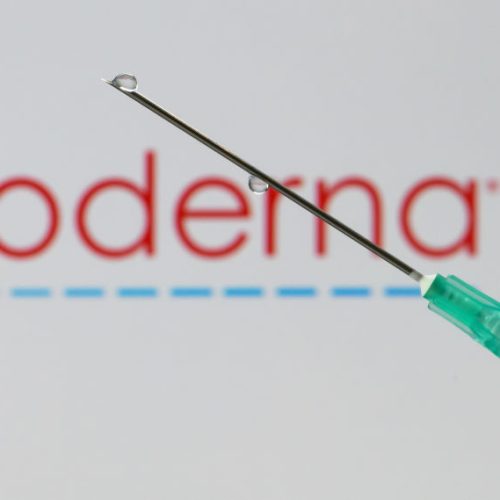
FDA advisors unanimously vote to approve Moderna's mRNA after agency drama
In February, a Trump official refused to review the vaccine.
Signal weather
Momentum is building quickly, so this card is a good early entry point into the topic.
Why now
Fresh coverage with immediate momentum.
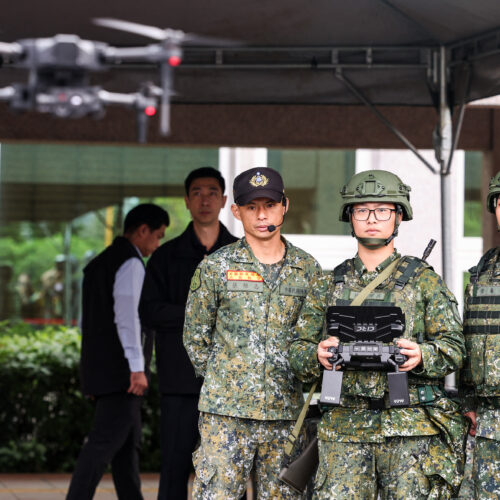
As China looms, Taiwan makes more drones for defense and the US military
Taiwan's drone spending plans for defense could also boost business overseas.
Signal weather
Momentum is building quickly, so this card is a good early entry point into the topic.
Why now
Fresh coverage with immediate momentum.
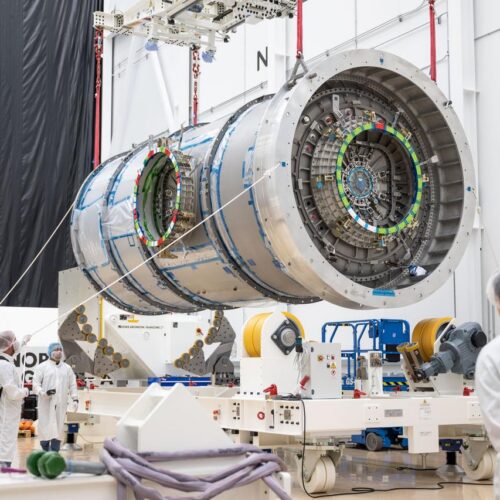
NASA asks Northrop Grumman to stop working on lunar HALO module
"We are reassigning most affected employees across existing opportunities and programs."
Signal weather
Momentum is building quickly, so this card is a good early entry point into the topic.
Why now
Fresh coverage with immediate momentum.
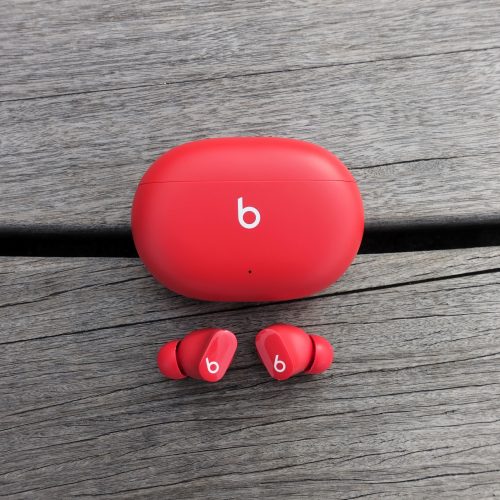
Apple patches high-severity eavesdropping vulnerability in Beats Studio Buds
The vulnerability, disclosed 12 months ago, affects multiple manufacturers.
Signal weather
Momentum is building quickly, so this card is a good early entry point into the topic.
Why now
Fresh coverage with immediate momentum.
More from Ars Technica
Fresh reporting and follow-up coverage from the same newsroom.
FDA advisors unanimously vote to approve Moderna's mRNA after agency drama
In February, a Trump official refused to review the vaccine.
Signal weather
Momentum is building quickly, so this card is a good early entry point into the topic.
Why now
Fresh coverage with immediate momentum.
As China looms, Taiwan makes more drones for defense and the US military
Taiwan's drone spending plans for defense could also boost business overseas.
Signal weather
Momentum is building quickly, so this card is a good early entry point into the topic.
Why now
Fresh coverage with immediate momentum.
NASA asks Northrop Grumman to stop working on lunar HALO module
"We are reassigning most affected employees across existing opportunities and programs."
Signal weather
Momentum is building quickly, so this card is a good early entry point into the topic.
Why now
Fresh coverage with immediate momentum.

Android verification is coming: Google confirms timeline and supported app stores
A new system service will roll out this month ahead of big changes starting in September.
Signal weather
Momentum is building quickly, so this card is a good early entry point into the topic.
Why now
Fresh coverage with immediate momentum.