Researchers try to cut the genetic code from 20 to 19 amino acids
Using AI tools, the team reworked part of the ribosome to need one less amino acid.
Signal weather
Stable
The story has moved beyond the first headline and now acts as a reliable context anchor.
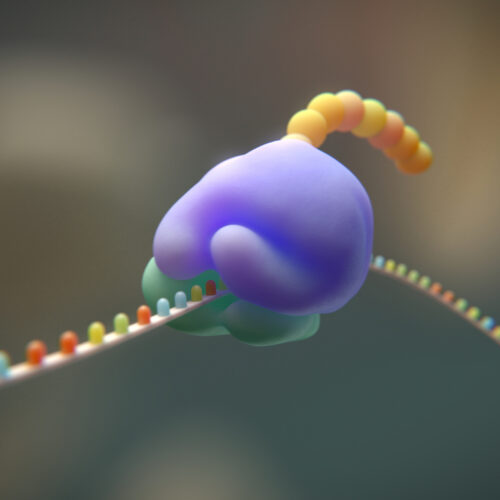
The genetic code is central to life. With minor variations, everything uses the same sets of three DNA bases to encode the same 20 amino acids. We have discovered no major exceptions to this, leading researchers to conclude that this code probably dated back to the last common ancestor of all life on Earth. But there has been a lot of informed speculation about how that genetic code initially evolved. Most hypotheses suggest that earlier forms of life had partial genetic codes and used fewer than 20 amino acids. To test these hypotheses, a team from Columbia and Harvard decided to see if they could get rid of one of the 20 currently in use. And, as a first attempt, they engineered a portion of the ribosome that worked without using an otherwise essential amino acid: isoleucine. Changing the code First off, why would you do this? Most work in the field has focused on altering the genetic code in ways that are useful, such as using more than 20 amino acids to enable interesting chemistry. Read full article Comments
Stay on the signal
Follow Researchers try to cut the genetic code from 20 to 19 amino acids
Follow this story beyond a single article: new follow-ups, adjacent sources, and the evolving storyline.
Story map
Understand this topic fast
A quick entry into the story: why it matters now, who is involved, and where to go next for context.
Why it matters now
Topic constellation
Open the live map for this story
See which entities, story threads, sources, and follow-up articles shape this story right now.
Click nodes to continue
Entity pages
Story timeline
Continue with this story
A short sequence of events and follow-up stories to understand the arc quickly.
How reliable this looks
Signal and trust for Ars Technica
This source works at a rapid pace: 100% of recent stories land in the hot window, and 0% carry visible search signal.
Reliability
92
Freshness
100
Sources in storyline
1
Related articles
More stories that share tags, source, or category context.

As global warming threatens corals, scientists search for reefs that can take the heat
Researchers say these coral strongholds may help repopulate more degraded reefs.
Signal weather
Momentum is building quickly, so this card is a good early entry point into the topic.
Why now
Fresh coverage with immediate momentum.
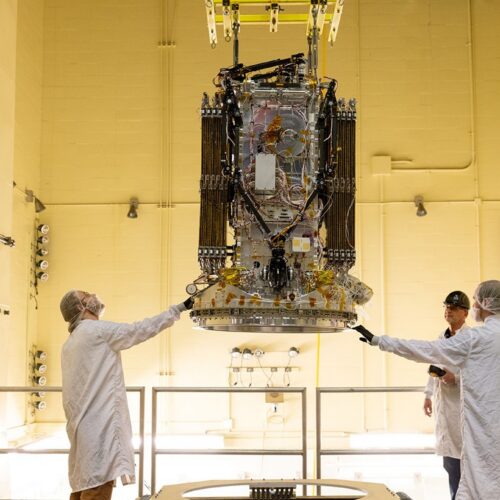
A bold satellite rescue mission came together in record time, but will it work?
"I consider this a success already, just from the fact that we're even going to try this."
Signal weather
Momentum is building quickly, so this card is a good early entry point into the topic.
Why now
Fresh coverage with immediate momentum.
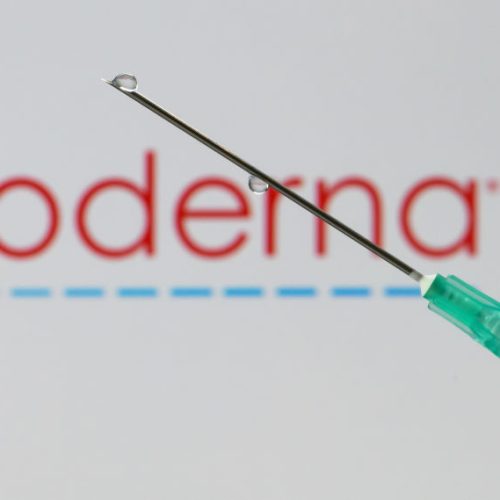
FDA advisors unanimously vote to approve Moderna's mRNA after agency drama
In February, a Trump official refused to review the vaccine.
Signal weather
Momentum is building quickly, so this card is a good early entry point into the topic.
Why now
Fresh coverage with immediate momentum.

As China looms, Taiwan makes more drones for defense and the US military
Taiwan's drone spending plans for defense could also boost business overseas.
Signal weather
Momentum is building quickly, so this card is a good early entry point into the topic.
Why now
Fresh coverage with immediate momentum.
More from Ars Technica
Fresh reporting and follow-up coverage from the same newsroom.
As global warming threatens corals, scientists search for reefs that can take the heat
Researchers say these coral strongholds may help repopulate more degraded reefs.
Signal weather
Momentum is building quickly, so this card is a good early entry point into the topic.
Why now
Fresh coverage with immediate momentum.
A bold satellite rescue mission came together in record time, but will it work?
"I consider this a success already, just from the fact that we're even going to try this."
Signal weather
Momentum is building quickly, so this card is a good early entry point into the topic.
Why now
Fresh coverage with immediate momentum.

Microsoft discovers new lightweight backdoor that steals cryptocurrency
Crypto Clipper spreads over USB and communicates over Tor.
Signal weather
Momentum is building quickly, so this card is a good early entry point into the topic.
Why now
Fresh coverage with immediate momentum.
FDA advisors unanimously vote to approve Moderna's mRNA after agency drama
In February, a Trump official refused to review the vaccine.
Signal weather
Momentum is building quickly, so this card is a good early entry point into the topic.
Why now
Fresh coverage with immediate momentum.