OpenClaw gives users yet another reason to be freaked out about security
The viral AI agentic tool let attackers silently gain admin unauthenticated access.
Signal weather
Stable
The story has moved beyond the first headline and now acts as a reliable context anchor.
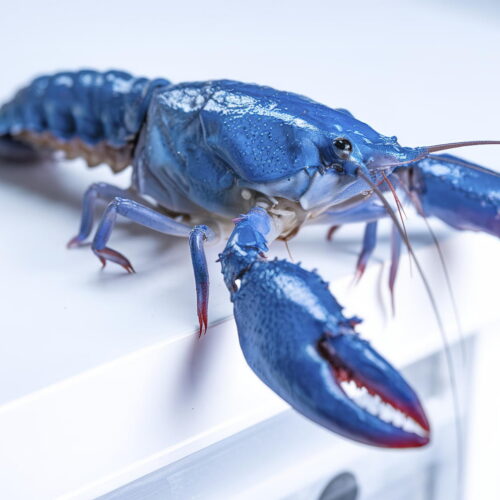
For more than a month, security practitioners have been warning about the perils of using OpenClaw, the viral AI agentic tool that has taken the development community by storm. A recently fixed vulnerability provides an object lesson for why. OpenClaw, which was introduced in November and now boasts 347,000 stars on Github, by design takes control of a user’s computer and interacts with other apps and platforms to assist with a host of tasks, including organizing files, doing research, and shopping online. To be useful, it needs access—and lots of it—to as many resources as possible. Telegram, Discord, Slack, local and shared network files, accounts, and logged in sessions are only some of the intended resources. Once the access is given, OpenClaw is designed to act precisely as the user would, with the same broad permissions and capabilities. Severe impact Earlier this week, OpenClaw developers released security patches for three high-severity vulnerabilities. The severity rating of one in particular, CVE-2026-33579, is rated from 8.1 to 9.8 out of a possible 10 depending on the metric used—and for good reason. It allows anyone with pairing privileges (the lowest-level permission) to gain administrative status. With that, the attacker has control of whatever resources the OpenClaw instance does. Read full article Comments
Stay on the signal
Follow OpenClaw gives users yet another reason to be freaked out about security
Follow this story beyond a single article: new follow-ups, adjacent sources, and the evolving storyline.
Story map
Understand this topic fast
A quick entry into the story: why it matters now, who is involved, and where to go next for context.
Why it matters now
Topic constellation
Open the live map for this story
See which entities, story threads, sources, and follow-up articles shape this story right now.
Click nodes to continue
Entity pages
Story timeline
Continue with this story
A short sequence of events and follow-up stories to understand the arc quickly.
How reliable this looks
Signal and trust for Ars Technica
This source works at a rapid pace: 100% of recent stories land in the hot window, and 0% carry visible search signal.
Reliability
92
Freshness
100
Sources in storyline
2
Related articles
More stories that share tags, source, or category context.
Nvidia posts another record quarter, reveals $43B of holdings in startups
Nvidia announced another record revenue figure after market close on Wednesday, but forecasted that revenue growth would slow in the following quarter.
Signal weather
Momentum is building quickly, so this card is a good early entry point into the topic.
Why now
Fresh coverage with immediate momentum.

Trump admin didn't want Ebola-exposed Americans, sent them to Berlin, Prague
Officials denied refusing entry, but dodged questions on why Americans didn't return.
Signal weather
Momentum is building quickly, so this card is a good early entry point into the topic.
Why now
Fresh coverage with immediate momentum.
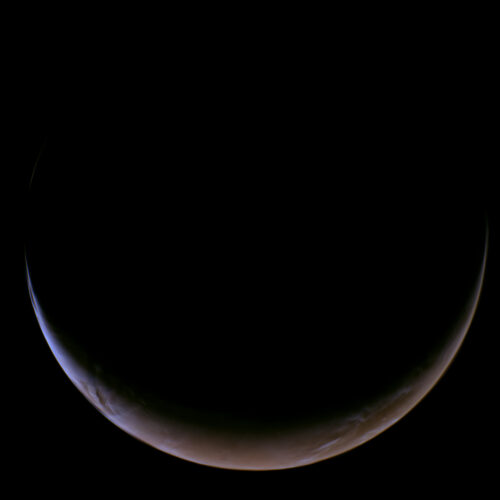
NASA's Psyche spacecraft returns unfamiliar views of a familiar world
"As a bonus, it captured Mars images from a rare perspective."
Signal weather
Momentum is building quickly, so this card is a good early entry point into the topic.
Why now
Fresh coverage with immediate momentum.

Masters of the Universe final trailer brings the '80s nostalgia
"You are he who will restore peace to Eternia."
Signal weather
Momentum is building quickly, so this card is a good early entry point into the topic.
Why now
Fresh coverage with immediate momentum.
More from Ars Technica
Fresh reporting and follow-up coverage from the same newsroom.
Trump admin didn't want Ebola-exposed Americans, sent them to Berlin, Prague
Officials denied refusing entry, but dodged questions on why Americans didn't return.
Signal weather
Momentum is building quickly, so this card is a good early entry point into the topic.
Why now
Fresh coverage with immediate momentum.
NASA's Psyche spacecraft returns unfamiliar views of a familiar world
"As a bonus, it captured Mars images from a rare perspective."
Signal weather
Momentum is building quickly, so this card is a good early entry point into the topic.
Why now
Fresh coverage with immediate momentum.
Masters of the Universe final trailer brings the '80s nostalgia
"You are he who will restore peace to Eternia."
Signal weather
Momentum is building quickly, so this card is a good early entry point into the topic.
Why now
Fresh coverage with immediate momentum.

Leaving the V8 in the past: The all-electric Mercedes-AMG GT 4-Door
The 0–60 time is impressive, the miles/kWh number even more so.
Signal weather
Momentum is building quickly, so this card is a good early entry point into the topic.
Why now
Fresh coverage with immediate momentum.