Mining the deep ocean
Policymakers debate if we even need deep ocean mining and if we can do it safely.
Signal weather
Stable
The story has moved beyond the first headline and now acts as a reliable context anchor.
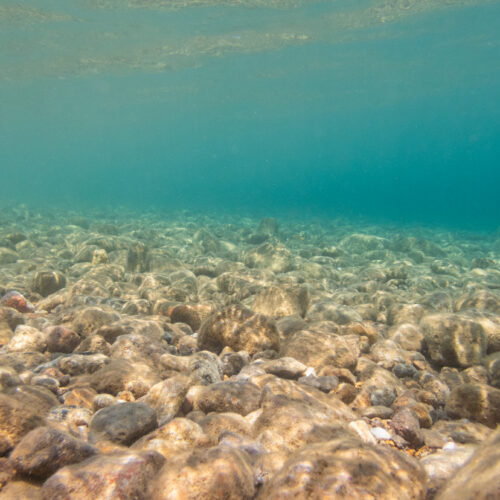
More than 13,000 feet below the surface of the Pacific Ocean, a more-than-70-ton machine trundled like a tank on its caterpillar tracks for a tenth of a mile—sucking up potato-sized nodules of rock packed with copper, manganese, cobalt, and nickel. It was 2022, and that pilot run of a subsea harvester by a Canadian business, The Metals Company, was pronounced a success. The company is working to get a green light to deploy similar machines for commercial harvesting over an area of 65,000 square kilometers, to extract over 600 million metric tons of nodules. There are riches on the ocean floor—round deposits made up of tightly packed layers of critical minerals that have long been out of reach. But not anymore. The pursuits of The Metals Company are among 31 initiatives by companies, governments and state-owned enterprises—including China, India, and the Republic of Nauru, a tiny island nation in the southwestern Pacific Ocean—to collect nodules for analysis and to test mining equipment. Read full article Comments
Stay on the signal
Follow Mining the deep ocean
Follow this story beyond a single article: new follow-ups, adjacent sources, and the evolving storyline.
Story map
Understand this topic fast
A quick entry into the story: why it matters now, who is involved, and where to go next for context.
Why it matters now
Topic constellation
Open the live map for this story
See which entities, story threads, sources, and follow-up articles shape this story right now.
Click nodes to continue
Entity pages
Story timeline
Continue with this story
A short sequence of events and follow-up stories to understand the arc quickly.
How reliable this looks
Signal and trust for Ars Technica
This source works at a rapid pace: 100% of recent stories land in the hot window, and 0% carry visible search signal.
Reliability
92
Freshness
100
Sources in storyline
1
Related articles
More stories that share tags, source, or category context.

DHS can’t create vast DNA database to track ICE critics, lawsuit says
Lawsuit accuses DHS of plugging DNA database into ICE surveillance machine.
Signal weather
Momentum is building quickly, so this card is a good early entry point into the topic.
Why now
Fresh coverage with immediate momentum.

Mozilla says 271 vulnerabilities found by Mythos have "almost no false positives"
The developer of Firefox says it has "completely bought in" on AI-assisted bug discovery.
Signal weather
Momentum is building quickly, so this card is a good early entry point into the topic.
Why now
Fresh coverage with immediate momentum.
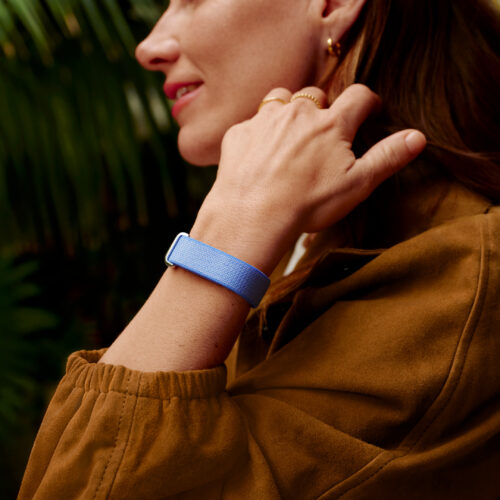
Google unveils screenless Fitbit Air and Google Health app to replace Fitbit
The $100 Fitbit Air is available for preorder today.
Signal weather
Momentum is building quickly, so this card is a good early entry point into the topic.
Why now
Fresh coverage with immediate momentum.

RIP social media. What comes next is messy.
As social media splinters, how can we keep the new online spaces from devolving into toxic pits of despair?
Signal weather
Momentum is building quickly, so this card is a good early entry point into the topic.
Why now
Fresh coverage with immediate momentum.
More from Ars Technica
Fresh reporting and follow-up coverage from the same newsroom.
DHS can’t create vast DNA database to track ICE critics, lawsuit says
Lawsuit accuses DHS of plugging DNA database into ICE surveillance machine.
Signal weather
Momentum is building quickly, so this card is a good early entry point into the topic.
Why now
Fresh coverage with immediate momentum.
Mozilla says 271 vulnerabilities found by Mythos have "almost no false positives"
The developer of Firefox says it has "completely bought in" on AI-assisted bug discovery.
Signal weather
Momentum is building quickly, so this card is a good early entry point into the topic.
Why now
Fresh coverage with immediate momentum.
Google unveils screenless Fitbit Air and Google Health app to replace Fitbit
The $100 Fitbit Air is available for preorder today.
Signal weather
Momentum is building quickly, so this card is a good early entry point into the topic.
Why now
Fresh coverage with immediate momentum.
RIP social media. What comes next is messy.
As social media splinters, how can we keep the new online spaces from devolving into toxic pits of despair?
Signal weather
Momentum is building quickly, so this card is a good early entry point into the topic.
Why now
Fresh coverage with immediate momentum.