Men use "vocal fry" more than women, counter to stereotype
Study suggests "the bias is real but socially constructed, rather than grounded in how women actually sound."
Signal weather
Stable
The story has moved beyond the first headline and now acts as a reliable context anchor.

Vocal fry, aka "creaky voice," is a distinctive drop in pitch, usually at the end of sentences, associated with the speech patterns of young women in particular. Britney Spears is the go-to example of the trend, having famously used it in her 1998 smash hit, "Hit Me Baby (One More Time)," and she's far from the only one. But what if that popular gender-based stereotype is wrong? Jeanne Brown, a graduate student at McGill University, has found that vocal fry is actually more common in men than women, detailing her experimental findings in a talk at this week's meeting of the Acoustical Society of America in Philadelphia. Per Brown, we perceive it as more prominent in young women. Vocal fry is the lowest of the human vocal registers, the others being the modal and falsetto registers, as well as the whistle register. It's caused when the vocal cords slacken, leading to irregular vibration and an audible cracking or rattling sound as air is released in spurts. Vocal fry is characterized by very low fundamental frequencies of around 70 Hz. (The lowest end of the range of human hearing is 20 Hz.)Read full article Comments
Stay on the signal
Follow Men use "vocal fry" more than women, counter to stereotype
Follow this story beyond a single article: new follow-ups, adjacent sources, and the evolving storyline.
Story map
Understand this topic fast
A quick entry into the story: why it matters now, who is involved, and where to go next for context.
Why it matters now
Topic constellation
Open the live map for this story
See which entities, story threads, sources, and follow-up articles shape this story right now.
Click nodes to continue
Entity pages
Story timeline
Continue with this story
A short sequence of events and follow-up stories to understand the arc quickly.
How reliable this looks
Signal and trust for Ars Technica
This source works at a rapid pace: 100% of recent stories land in the hot window, and 0% carry visible search signal.
Reliability
92
Freshness
100
Sources in storyline
1
Related articles
More stories that share tags, source, or category context.

Newly discovered PamStealer isn't your typical macOS malware
The discovery underscores the increased effort being poured into Mac infostealers.
Signal weather
Momentum is building quickly, so this card is a good early entry point into the topic.
Why now
Fresh coverage with immediate momentum.
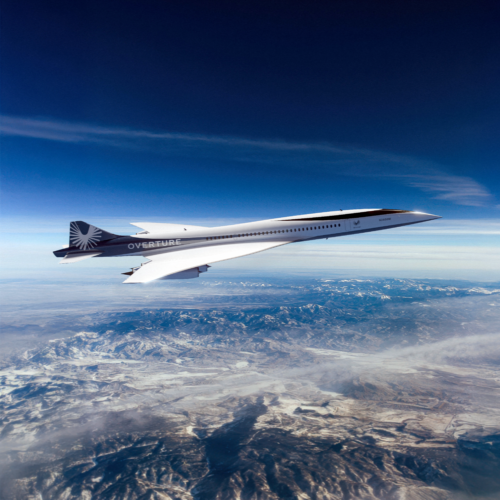
FAA proposal: Supersonic airliners can fly over US cities if they’re quiet
New US rules would legalize quiet supersonic flights without the sonic boom.
Signal weather
Momentum is building quickly, so this card is a good early entry point into the topic.
Why now
Fresh coverage with immediate momentum.

Ars Live recap: When are the big rockets NASA desperately needs going to be ready?
I have not seen anyone put out a date for a new rocket, and actually hit it.
Signal weather
Momentum is building quickly, so this card is a good early entry point into the topic.
Why now
Fresh coverage with immediate momentum.

Plex debuts 5-year membership pass for $250
Plex is pushing customers to newer features and more frequent payments.
Signal weather
Momentum is building quickly, so this card is a good early entry point into the topic.
Why now
Fresh coverage with immediate momentum.
More from Ars Technica
Fresh reporting and follow-up coverage from the same newsroom.
Newly discovered PamStealer isn't your typical macOS malware
The discovery underscores the increased effort being poured into Mac infostealers.
Signal weather
Momentum is building quickly, so this card is a good early entry point into the topic.
Why now
Fresh coverage with immediate momentum.
FAA proposal: Supersonic airliners can fly over US cities if they’re quiet
New US rules would legalize quiet supersonic flights without the sonic boom.
Signal weather
Momentum is building quickly, so this card is a good early entry point into the topic.
Why now
Fresh coverage with immediate momentum.
Ars Live recap: When are the big rockets NASA desperately needs going to be ready?
I have not seen anyone put out a date for a new rocket, and actually hit it.
Signal weather
Momentum is building quickly, so this card is a good early entry point into the topic.
Why now
Fresh coverage with immediate momentum.
Plex debuts 5-year membership pass for $250
Plex is pushing customers to newer features and more frequent payments.
Signal weather
Momentum is building quickly, so this card is a good early entry point into the topic.
Why now
Fresh coverage with immediate momentum.