Hunter-gatherers in Siberia died of a plague outbreak 5,500 years ago
We can't blame the Neolithic Transition for the plague anymore.
Signal weather
Rising
Momentum is building quickly, so this card is a good early entry point into the topic.
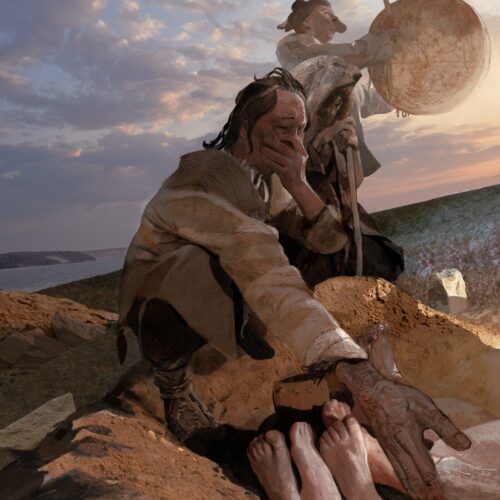
Plague swept through groups of hunter-gatherers in southeastern Siberia 5,500 years ago, leaving dozens dead in its wake—with DNA from Yersinia pestis bacteria still trapped inside their teeth. University of Oxford ancient DNA researcher Ruairidh Macleod and his colleagues recently sequenced the telltale bacterial DNA in teeth from plague victims at four ancient cemeteries in the area around Russia’s Lake Baikal. The tragedy that befell these communities is now the earliest known plague outbreak, courtesy of the oldest strain of Y. pestis ever sequenced. Unearthing a new backstory for the plague Until recently, scientists who study the evolution of diseases have held two fairly solid ideas about the origins of plague, the disease caused by Yersinia pestis bacteria. It's a scourge so awful that it has gone down in history as not just a plague but the plague. The first idea is that the earliest strains didn't have the right genetic traits to be really lethal. And the second is that the plague first began menacing humans when the first farmers settled in densely packed towns alongside rats and domestic animals. Read full article Comments
Stay on the signal
Follow Hunter-gatherers in Siberia died of a plague outbreak 5,500 years ago
Follow this story beyond a single article: new follow-ups, adjacent sources, and the evolving storyline.
Story map
Understand this topic fast
A quick entry into the story: why it matters now, who is involved, and where to go next for context.
Why it matters now
Topic constellation
Open the live map for this story
See which entities, story threads, sources, and follow-up articles shape this story right now.
Click nodes to continue
Entity pages
Story timeline
Continue with this story
A short sequence of events and follow-up stories to understand the arc quickly.
How reliable this looks
Signal and trust for Ars Technica
This source works at a rapid pace: 100% of recent stories land in the hot window, and 0% carry visible search signal.
Reliability
92
Freshness
100
Sources in storyline
1
Related articles
More stories that share tags, source, or category context.
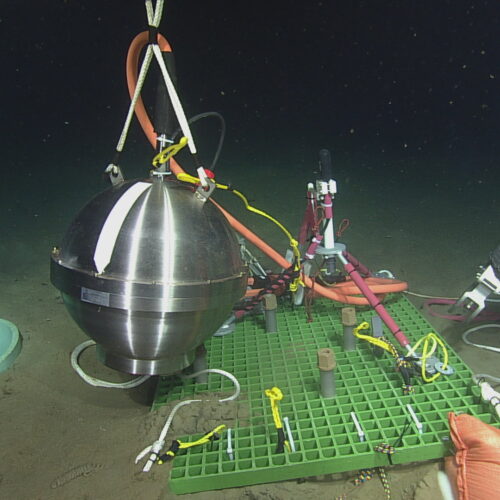
After Senate vote, Trump admin backs off plans to kill ocean monitoring
It's unclear whether the system is currently intact.
Signal weather
Momentum is building quickly, so this card is a good early entry point into the topic.
Why now
Fresh coverage with immediate momentum.

Before SpaceX IPO, investors in China secretly acquired stakes
One previously unreported SpaceX investor has ties to Chinese military contractors.
Signal weather
Momentum is building quickly, so this card is a good early entry point into the topic.
Why now
Fresh coverage with immediate momentum.

Bernie Sanders unveils $7 trillion plan to give Americans control of AI industry
Biggest AI firms will likely recoil at Bernie Sanders' AI wealth fund.
Signal weather
Momentum is building quickly, so this card is a good early entry point into the topic.
Why now
Fresh coverage with immediate momentum.
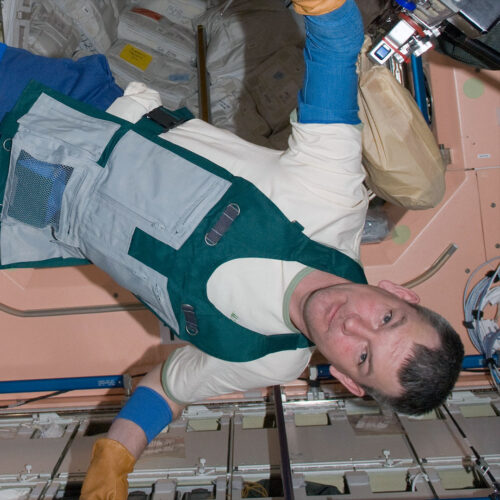
The first long-duration resident of the ISS, a cosmonaut, has died
Two expeditions, two spacewalks, 322 days in space.
Signal weather
Momentum is building quickly, so this card is a good early entry point into the topic.
Why now
Fresh coverage with immediate momentum.
More from Ars Technica
Fresh reporting and follow-up coverage from the same newsroom.
After Senate vote, Trump admin backs off plans to kill ocean monitoring
It's unclear whether the system is currently intact.
Signal weather
Momentum is building quickly, so this card is a good early entry point into the topic.
Why now
Fresh coverage with immediate momentum.
Before SpaceX IPO, investors in China secretly acquired stakes
One previously unreported SpaceX investor has ties to Chinese military contractors.
Signal weather
Momentum is building quickly, so this card is a good early entry point into the topic.
Why now
Fresh coverage with immediate momentum.
Bernie Sanders unveils $7 trillion plan to give Americans control of AI industry
Biggest AI firms will likely recoil at Bernie Sanders' AI wealth fund.
Signal weather
Momentum is building quickly, so this card is a good early entry point into the topic.
Why now
Fresh coverage with immediate momentum.
The first long-duration resident of the ISS, a cosmonaut, has died
Two expeditions, two spacewalks, 322 days in space.
Signal weather
Momentum is building quickly, so this card is a good early entry point into the topic.
Why now
Fresh coverage with immediate momentum.