F1 teams spend millions on their simulators—what makes them different?
Latency, bandwidth, and fidelity all matter when you're chasing milliseconds.
Signal weather
Rising
Momentum is building quickly, so this card is a good early entry point into the topic.
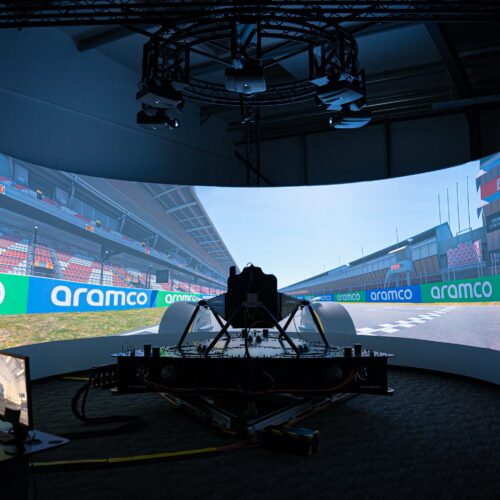
Among the ways Formula 1 has changed in the 21st century has been its adoption of driver-in-the-loop simulators. It all started in the early 2000s, probably at McLaren, maybe at Toyota or Ferrari; F1 teams are notoriously secretive about their performance advantages. Along the years, they've gotten more and more capable, but so too have high-end consumer sims like the multi-axis setups that cost tens of thousands of dollars. What is it that makes the multimillion-dollar simulators used in F1 that much more expensive, and that much better for the job? For one thing, latency. "There's this intimate link between the inputs that [a driver] provides to the car, the way the car responds, and then the driver immediately feels that and reacts to it. So this is a very dynamic closed loop involving the driver and the car," explained Ash Warne, founder and CTO of Dynisma Motion Generators, a UK-based simulator company that supplies Ferrari, Alpine, and soon Cadillac with DiL simulators that can cost as much as $10 million. Read full article Comments
Stay on the signal
Follow F1 teams spend millions on their simulators—what makes them different?
Follow this story beyond a single article: new follow-ups, adjacent sources, and the evolving storyline.
Story map
Understand this topic fast
A quick entry into the story: why it matters now, who is involved, and where to go next for context.
Why it matters now
Topic constellation
Open the live map for this story
See which entities, story threads, sources, and follow-up articles shape this story right now.
Click nodes to continue
Story timeline
Continue with this story
A short sequence of events and follow-up stories to understand the arc quickly.
How reliable this looks
Signal and trust for Ars Technica
This source works at a rapid pace: 100% of recent stories land in the hot window, and 0% carry visible search signal.
Reliability
92
Freshness
100
Sources in storyline
1
Related articles
More stories that share tags, source, or category context.

Ted Cruz and Ron Wyden try to fight censorship with bipartisan JAWBONE Act
Cruz/Wyden bill would help Americans sue federal officials over censorship.
Signal weather
Momentum is building quickly, so this card is a good early entry point into the topic.
Why now
Fresh coverage with immediate momentum.
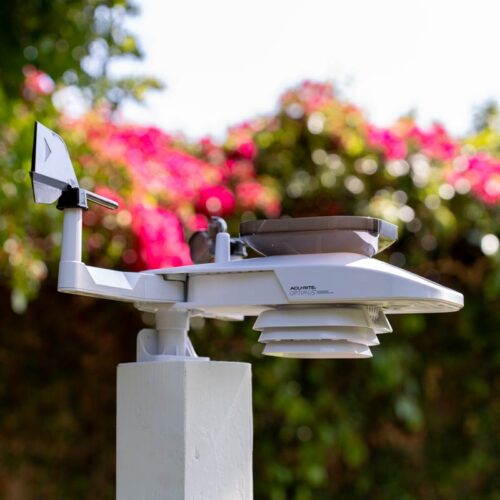
AcuRite admits new app falls short, delays old app’s May shutdown to fix problems
The old app "still needs to be retired," AcuRite tells us.
Signal weather
Momentum is building quickly, so this card is a good early entry point into the topic.
Why now
Fresh coverage with immediate momentum.
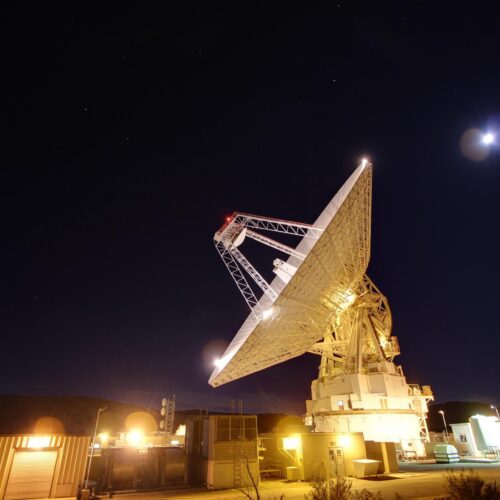
After nearly breaking, NASA's Deep Space Network "worked well" on Artemis II
"Some missions are using more than what their paperwork would say."
Signal weather
Momentum is building quickly, so this card is a good early entry point into the topic.
Why now
Fresh coverage with immediate momentum.
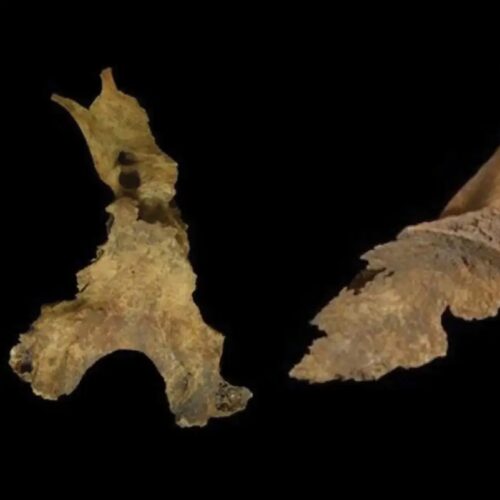
Did Iron Age Britons remove brains of the dead?
Archaeologists found apparent scrape marks inside a skull; long bones may have been sharpened into tools.
Signal weather
Momentum is building quickly, so this card is a good early entry point into the topic.
Why now
Fresh coverage with immediate momentum.
More from Ars Technica
Fresh reporting and follow-up coverage from the same newsroom.
Ted Cruz and Ron Wyden try to fight censorship with bipartisan JAWBONE Act
Cruz/Wyden bill would help Americans sue federal officials over censorship.
Signal weather
Momentum is building quickly, so this card is a good early entry point into the topic.
Why now
Fresh coverage with immediate momentum.
AcuRite admits new app falls short, delays old app’s May shutdown to fix problems
The old app "still needs to be retired," AcuRite tells us.
Signal weather
Momentum is building quickly, so this card is a good early entry point into the topic.
Why now
Fresh coverage with immediate momentum.
After nearly breaking, NASA's Deep Space Network "worked well" on Artemis II
"Some missions are using more than what their paperwork would say."
Signal weather
Momentum is building quickly, so this card is a good early entry point into the topic.
Why now
Fresh coverage with immediate momentum.
Did Iron Age Britons remove brains of the dead?
Archaeologists found apparent scrape marks inside a skull; long bones may have been sharpened into tools.
Signal weather
Momentum is building quickly, so this card is a good early entry point into the topic.
Why now
Fresh coverage with immediate momentum.