Crypto scam lures ships into Strait of Hormuz, falsely promising safe passage
Ship attacked by Iran after possibly falling for safe passage crypto scam.
Signal weather
Stable
The story has moved beyond the first headline and now acts as a reliable context anchor.
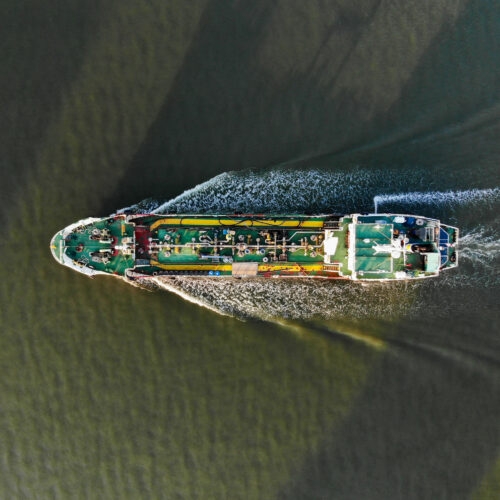
Crypto scammers are targeting the thousands of ships stranded near the Strait of Hormuz—and at least one ship that faced Iranian gunfire may have been tricked into believing it had paid Iran for safe passage. The first warning of such a crypto scam came from the Greek maritime risk management company MARISKS on April 20, according to Reuters. The company alerted shipowners that scammers posing as Iranian authorities had sent messages to shipping companies asking for “transit fee” payments in bitcoin or tether. That may be particularly confusing for shipping companies because of how Iran has asserted control over the Strait of Hormuz—a vital shipping channel and maritime chokepoint that normally allows Persian Gulf countries to provide one-fifth of the world’s oil and liquefied natural gas supply. Iranian authorities have demanded cryptocurrency payments from oil tankers to pass through the waterway and required ships to follow a route near Iran’s coastline to undergo inspection. Read full article Comments
Stay on the signal
Follow Crypto scam lures ships into Strait of Hormuz, falsely promising safe passage
Follow this story beyond a single article: new follow-ups, adjacent sources, and the evolving storyline.
Story map
Understand this topic fast
A quick entry into the story: why it matters now, who is involved, and where to go next for context.
Why it matters now
Topic constellation
Open the live map for this story
See which entities, story threads, sources, and follow-up articles shape this story right now.
Click nodes to continue
Entity pages
Story timeline
Continue with this story
A short sequence of events and follow-up stories to understand the arc quickly.
How reliable this looks
Signal and trust for Ars Technica
This source works at a rapid pace: 100% of recent stories land in the hot window, and 0% carry visible search signal.
Reliability
92
Freshness
100
Sources in storyline
2
Related articles
More stories that share tags, source, or category context.
PeopleSoft 0-day affecting hundreds of organizations steals gigabytes of data
Vulnerability in the Oracle-owned PeopleSoft software is about as critical as they come.
Signal weather
Momentum is building quickly, so this card is a good early entry point into the topic.
Why now
Fresh coverage with immediate momentum.

Controversial FISA spying law expires tonight. The spying will continue.
Section 702 of FISA to expire tonight, but certification lasts until March 2027.
Signal weather
Momentum is building quickly, so this card is a good early entry point into the topic.
Why now
Fresh coverage with immediate momentum.
EV demand up 50% in France and Germany since Iran war
Comments
Signal weather
Momentum is building quickly, so this card is a good early entry point into the topic.
Why now
Fresh coverage with immediate momentum.

Here's what Jeff Bezos' new startup Prometheus will do
It isn't the only startup tackling physical AI, but it's one of the best-funded.
Signal weather
Momentum is building quickly, so this card is a good early entry point into the topic.
Why now
Fresh coverage with immediate momentum.
More from Ars Technica
Fresh reporting and follow-up coverage from the same newsroom.
PeopleSoft 0-day affecting hundreds of organizations steals gigabytes of data
Vulnerability in the Oracle-owned PeopleSoft software is about as critical as they come.
Signal weather
Momentum is building quickly, so this card is a good early entry point into the topic.
Why now
Fresh coverage with immediate momentum.
Controversial FISA spying law expires tonight. The spying will continue.
Section 702 of FISA to expire tonight, but certification lasts until March 2027.
Signal weather
Momentum is building quickly, so this card is a good early entry point into the topic.
Why now
Fresh coverage with immediate momentum.
Here's what Jeff Bezos' new startup Prometheus will do
It isn't the only startup tackling physical AI, but it's one of the best-funded.
Signal weather
Momentum is building quickly, so this card is a good early entry point into the topic.
Why now
Fresh coverage with immediate momentum.
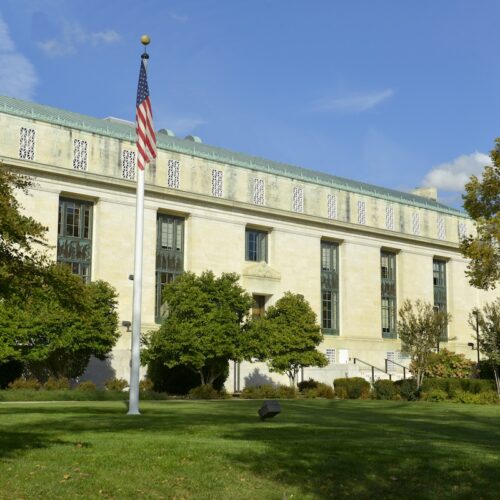
Have politics finally come for the National Academies of Science?
A pending report on climate attribution may be setting the stage for conflict.
Signal weather
Momentum is building quickly, so this card is a good early entry point into the topic.
Why now
Fresh coverage with immediate momentum.