Causality optional? Testing the "indefinite causal order" superposition
A quantum experiment shows that we can formally test if the order of events matters.
Signal weather
Stable
The story has moved beyond the first headline and now acts as a reliable context anchor.
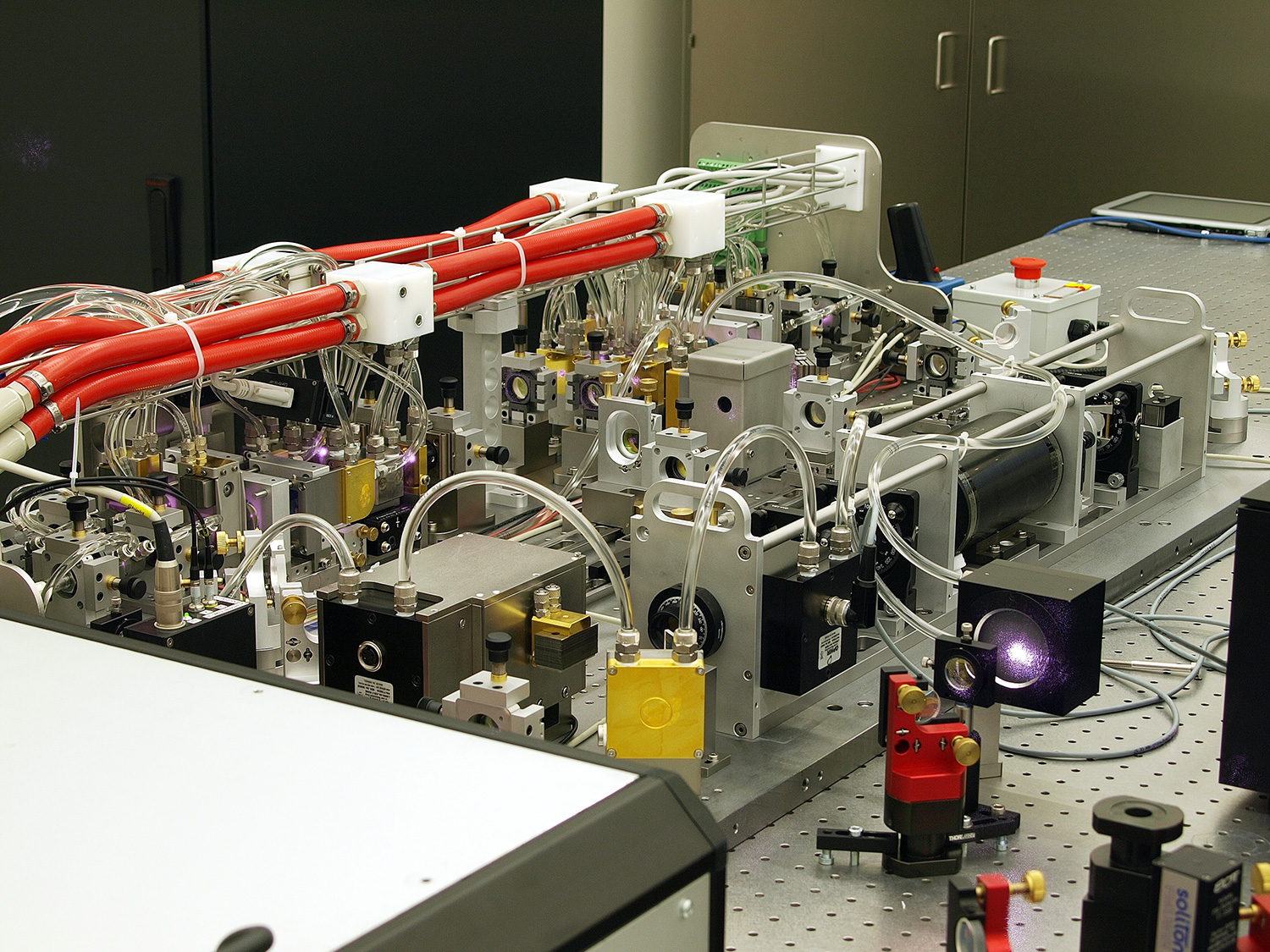
Over a decade ago, when I was first starting to pretend I could write about quantum mechanics, I covered a truly bizarre experiment. One half of a pair of entangled photons was sent through a device it could navigate as either a particle or a wave. After it was clear of the device, the other half of the pair was measured in a way that forced the first to act as one or the other. Once that was done, the first invariably behaved as if it were whatever the measurement made it into the whole time. It was as if the measurement had reached backward in time to alter the photon's behavior, raising questions about whether causality itself actually applied to quantum mechanics. Unbeknownst to me, physicists have been asking the same question and have designed experiments to probe it in detail. A few weeks back, they provided an experiment that seems to indicate it's possible to create quantum superpositions of two different series of events, essentially making the question of whether A or B happened first a matter of probability*. While the current experiment leaves a few loopholes, the researchers behind the work think they could ultimately be eliminated. Read full article Comments
Stay on the signal
Follow Causality optional? Testing the "indefinite causal order" superposition
Follow this story beyond a single article: new follow-ups, adjacent sources, and the evolving storyline.
Story map
Understand this topic fast
A quick entry into the story: why it matters now, who is involved, and where to go next for context.
Why it matters now
Topic constellation
Open the live map for this story
See which entities, story threads, sources, and follow-up articles shape this story right now.
Click nodes to continue
Story timeline
Continue with this story
A short sequence of events and follow-up stories to understand the arc quickly.
How reliable this looks
Signal and trust for Ars Technica
This source works at a rapid pace: 100% of recent stories land in the hot window, and 0% carry visible search signal.
Reliability
92
Freshness
100
Sources in storyline
1
Related articles
More stories that share tags, source, or category context.
Instagram is testing more ways to customize ‘Your Algorithm’
Instagram users could soon see more ways to tune their content.
Signal weather
Momentum is building quickly, so this card is a good early entry point into the topic.
Why now
Fresh coverage with immediate momentum.

Apple and Audi alumni have made a luxe EV based on the moon buggy
The Amble One is a street-legal $25,000 electric buggy designed for luxury resorts.
Signal weather
Momentum is building quickly, so this card is a good early entry point into the topic.
Why now
Fresh coverage with immediate momentum.
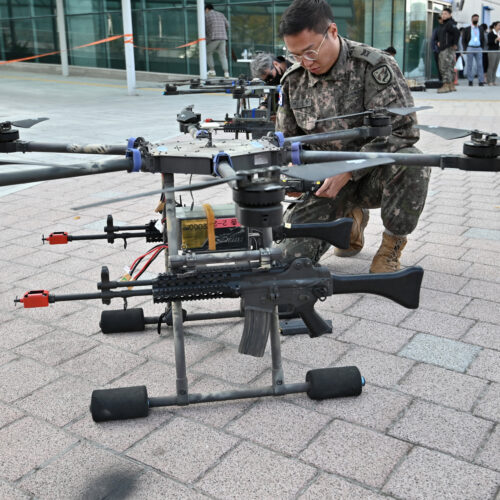
South Korea plans to train entire military as "drone warriors"
Half-million strong military will train on drones as “universal combat tool.”
Signal weather
Momentum is building quickly, so this card is a good early entry point into the topic.
Why now
Fresh coverage with immediate momentum.
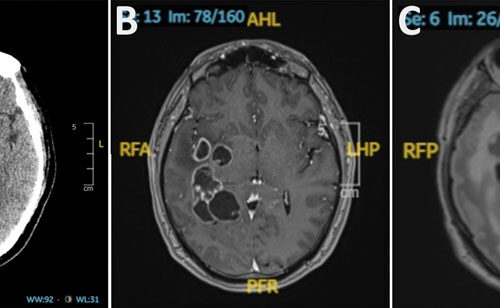
Doctors suspected man had brain cancer. He actually had worms.
His doctors went looking for cancer, then they saw the worms' heads.
Signal weather
Momentum is building quickly, so this card is a good early entry point into the topic.
Why now
Fresh coverage with immediate momentum.
More from Ars Technica
Fresh reporting and follow-up coverage from the same newsroom.
Apple and Audi alumni have made a luxe EV based on the moon buggy
The Amble One is a street-legal $25,000 electric buggy designed for luxury resorts.
Signal weather
Momentum is building quickly, so this card is a good early entry point into the topic.
Why now
Fresh coverage with immediate momentum.
South Korea plans to train entire military as "drone warriors"
Half-million strong military will train on drones as “universal combat tool.”
Signal weather
Momentum is building quickly, so this card is a good early entry point into the topic.
Why now
Fresh coverage with immediate momentum.
Doctors suspected man had brain cancer. He actually had worms.
His doctors went looking for cancer, then they saw the worms' heads.
Signal weather
Momentum is building quickly, so this card is a good early entry point into the topic.
Why now
Fresh coverage with immediate momentum.

Streaming services’ obnoxiously loud ads become illegal on July 1 in California
Illinois passed a similar law, giving services more incentive to make ads less booming.
Signal weather
Momentum is building quickly, so this card is a good early entry point into the topic.
Why now
Fresh coverage with immediate momentum.